Laser tattoo removal is based on the interaction between laser energy, tattoo pigments, and the body’s natural healing processes. Unlike methods that remove or damage the surface of the skin, modern laser treatment is designed to target unwanted ink beneath the skin while minimizing damage to the surrounding tissue. If you are considering tattoo removal riyadh, understanding the science behind the procedure can help you know how the treatment works and why multiple sessions are often necessary.
What Is the Science Behind Laser Tattoo Removal?
Tattoo ink is placed within the dermis, a deeper layer of the skin. Because the pigment is relatively resistant to the body's normal processes, tattoos can remain visible for many years.
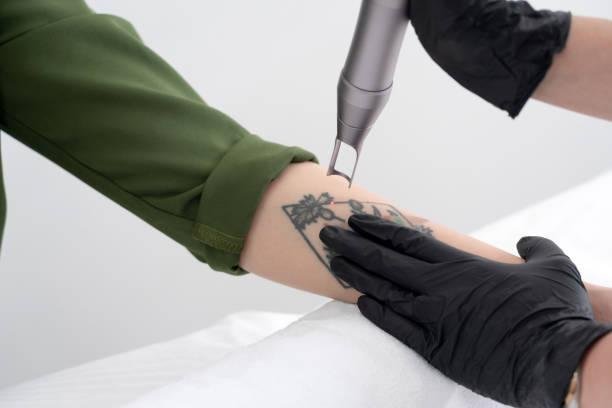
Laser tattoo removal uses short, concentrated pulses of light to target these pigment particles. The laser energy is absorbed by the tattoo ink and converted into heat and mechanical energy, causing larger pigment particles to break into much smaller fragments.
The body's immune system can then gradually remove these fragmented particles through natural cellular processes. This combination of targeted laser energy and the body's natural clearance system is what allows tattoos to fade progressively.
How Does Laser Energy Target Tattoo Ink?
The laser is designed to deliver energy at specific wavelengths that are preferentially absorbed by particular tattoo pigments. This principle is known as selective photothermolysis.
Selective Pigment Targeting
The goal is to deliver sufficient energy to the tattoo pigment while limiting the effect on surrounding skin. Different pigments absorb different wavelengths of light, so the choice of laser wavelength depends on the tattoo's colors and characteristics.
Short Laser Pulses
Modern tattoo-removal lasers can deliver extremely short pulses. These rapid bursts help create a photomechanical effect that fragments pigment without relying solely on prolonged heating of the surrounding tissue.
Why Do Different Tattoo Colors Respond Differently?
Tattoo ink is not a single substance. Different colors contain different pigments, and each pigment interacts with laser wavelengths differently.
Dark Pigments
Black and other dark pigments often absorb laser energy effectively and may respond well to appropriate treatment.
Bright and Light Pigments
Some lighter or brighter colors can be more challenging because they may absorb available wavelengths differently. Certain pigments may therefore require specialized laser approaches and a longer treatment process.
What Happens to Tattoo Pigment After Laser Treatment?
Once the laser breaks larger ink particles into smaller fragments, the body begins processing them. Immune cells, including macrophages, can engulf pigment fragments and help transport them away from the treated area.
This biological clearance does not happen immediately. It can continue for weeks after treatment, which is one reason sessions are normally spaced apart. The tattoo may continue to fade between appointments as the body gradually removes more pigment.
Why Are Multiple Sessions Necessary?
One laser session generally cannot break down and clear all of the tattoo pigment. Some particles may be too deep, too large, or positioned in a way that prevents complete fragmentation during the initial treatment.
With each session, additional pigment can be targeted. Allowing sufficient time between treatments gives the skin an opportunity to heal and the body's clearance mechanisms time to work.
The number of sessions varies depending on tattoo size, color, ink density, depth, location, age, and individual response.
How Does Skin Type Influence Laser Tattoo Removal?
Skin type is an important consideration when selecting treatment settings. The laser needs to distinguish between tattoo pigment and the natural pigment in the skin as much as possible.
A qualified practitioner can assess your skin and tattoo before treatment and select appropriate parameters. This personalized approach helps reduce the likelihood of unwanted skin reactions while targeting the tattoo effectively.
What Happens to the Skin During Treatment?
Although the primary target is the tattoo pigment, the surrounding skin can temporarily react to the laser. Redness, swelling, warmth, tenderness, or small blisters may occur after treatment.
These reactions generally reflect the skin's response to the procedure. Proper aftercare is important while the area heals. Picking or scratching the treated skin should be avoided because it can interfere with healing and increase the risk of complications.
Can Laser Tattoo Removal Completely Erase a Tattoo?
Laser technology can produce substantial fading, but complete removal cannot be guaranteed for every tattoo. The final outcome depends on the characteristics of the ink, the tattoo, and the individual's response to treatment.
Professional tattoos, layered designs, certain colors, and deeply placed pigments may be more difficult to remove completely. In some cases, a small amount of residual pigment or changes in skin pigmentation may remain.
What Makes Modern Laser Technology Effective?
Advancements in laser technology have improved the ability to target different tattoo pigments more precisely. The availability of different wavelengths allows practitioners to select an approach based on the tattoo rather than treating every color identically.
Treatment planning also involves adjusting energy levels and other parameters according to the patient's skin and the tattoo's response. This individualized approach is an important part of safe and effective treatment.
What Should You Expect During the Treatment Process?
During a consultation, the practitioner examines your tattoo and skin and discusses your goals. During the treatment itself, protective eyewear is used, and the laser is applied to the tattoo in controlled pulses.
You may experience a snapping or stinging sensation, warmth, or brief discomfort. Afterward, the treated area may appear temporarily red or swollen. Your provider will explain how to care for the area while it heals.
If you are considering Laser Tattoo Removal in Riyadh, understanding that the treatment combines laser physics with the body's natural immune response can help you appreciate why results develop gradually.
Choosing Professional Laser Tattoo Removal
The science behind tattoo removal is only one part of achieving a good outcome. Proper assessment, suitable laser technology, carefully selected settings, treatment spacing, and aftercare all contribute to the process.
If you are exploring Laser Tattoo Removal in Riyadh, consult a qualified professional who can evaluate your tattoo and skin characteristics and explain what results may realistically be achievable.
Book an Appointment at Royal Clinic Saudia
Royal Clinic Saudia can assess your unwanted tattoo and discuss whether laser treatment may be suitable for your needs. Book an appointment to receive personalized guidance about the treatment process and what you can expect from your tattoo removal journey.
FAQs:
How does laser tattoo removal break down ink?
Laser energy is absorbed by tattoo pigments and creates a photomechanical effect that breaks larger ink particles into smaller fragments. The body can then gradually clear these fragments.
Why does tattoo removal take several sessions?
The body needs time to clear fragmented pigment, and one session cannot usually target all the ink effectively. Multiple sessions allow treatment to progress gradually.
Does laser tattoo removal damage the surrounding skin?
The goal is to target tattoo pigment while minimizing effects on surrounding tissue. Temporary skin reactions can occur, which is why appropriate settings and professional treatment are important.
Can every tattoo be completely removed with a laser?
No. Many tattoos can be significantly faded, but complete removal is not guaranteed. Ink color, depth, composition, tattoo age, skin type, and other factors affect the outcome.




 English
 French
 Spanish
 Portuguese
 Deutsch
 Turkish
 Dutch
Dutch
 Italiano
 Russian
 Romaian
 Portuguese (Brazil)
 Greek
Greek
