


How Low-Impact Exercise Can Support Lipedema Management
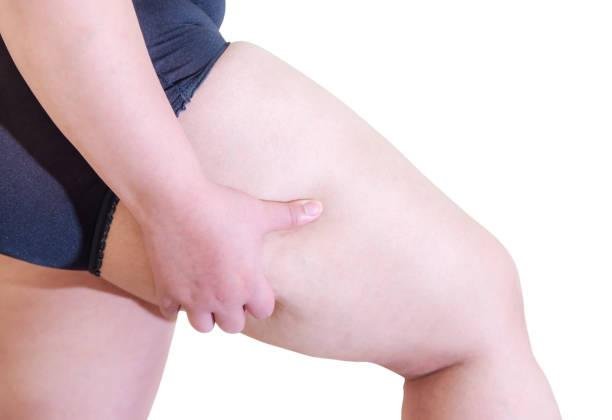
Lipedema is a chronic condition that involves an abnormal distribution of fatty tissue, commonly affecting the legs and sometimes the arms. Exercise cannot cure lipedema or specifically remove lipedema tissue, but regular physical activity can support mobility, muscle strength, cardiovascular health, and overall well-being. For people exploring lipedema riyadh, understanding the role of low-impact exercise can help create a more comfortable and sustainable approach to daily movement.
High-impact activities may be uncomfortable for people experiencing leg tenderness, heaviness, or swelling. Low-impact exercises provide an alternative that places less stress on the joints while still allowing the body to remain active. When appropriately adapted, movement can become an important part of a broader approach to Lipedema in Riyadh management.
Why Is Exercise Important for Lipedema?
Physical activity offers benefits that extend beyond weight management. Since lipedema can affect mobility and make certain movements uncomfortable, maintaining an appropriate exercise routine can help preserve physical function.
Supporting Muscle Strength
Strengthening the muscles of the legs, hips, core, and upper body can improve functional strength. Stronger muscles can provide better support during everyday activities such as walking, standing, and climbing stairs.
Maintaining Mobility
Regular movement can help prevent prolonged inactivity and support flexibility. Staying mobile may make daily activities more manageable and help individuals maintain independence.
What Makes an Exercise Low Impact?
Low-impact exercise involves movements that place relatively less stress on the joints than activities involving repeated jumping, running, or hard landings.
Gentle but Effective Movement
Low-impact does not mean ineffective. Activities such as walking, cycling, swimming, and controlled strength exercises can provide cardiovascular and muscular benefits while allowing individuals to adjust the intensity according to their comfort.
Easier to Modify
Many low-impact activities can be shortened, slowed down, or adjusted to match an individual's fitness level. This flexibility can be particularly useful when symptoms vary from day to day.
Walking for Lipedema Management
Walking is one of the most accessible low-impact activities. It can be performed indoors or outdoors and does not require complicated equipment.
Start Gradually
People who experience heaviness or tenderness in their legs can begin with shorter walks and gradually increase their activity as tolerated. Breaking movement into several shorter sessions can also be a practical option.
Focus on Consistency
Regular moderate movement may be easier to maintain than occasional intense workouts. Comfortable footwear and a suitable walking surface can also improve the experience.
Swimming and Water-Based Exercise
Water-based exercise can be a comfortable option for people who find land-based activities difficult.
Reduced Joint Impact
The buoyancy of water helps support body weight, reducing the impact placed on the joints during movement. This can make activities such as water walking and swimming more comfortable.
Full-Body Movement
Swimming can involve the arms, legs, and core, while water-based exercises can be adapted to different ability levels. The resistance of water can also provide a gentle way to work the muscles.
Cycling and Stationary Biking
Cycling provides cardiovascular exercise without the repetitive impact associated with running.
Adjust the Intensity
A stationary bicycle allows individuals to control resistance and duration. Starting with low resistance and gradually increasing the workload can help make exercise more manageable.
Maintain Comfortable Movement
The goal is to encourage movement without worsening symptoms. If cycling causes significant pain or discomfort, the activity should be reduced or discussed with an appropriate professional.
Gentle Strength Training
Strength training can complement low-impact cardiovascular activities by helping maintain muscle mass and functional strength.
Use Controlled Movements
Resistance bands, light weights, body-weight exercises, and machines can all be used depending on individual ability. Controlled movements and proper technique are generally more important than lifting heavy weights.
Build Strength Gradually
Starting with manageable resistance and progressing slowly can help the body adapt. A qualified exercise professional can help modify exercises when mobility or discomfort is a concern.
Yoga and Stretching
Gentle yoga and stretching can support flexibility, balance, and body awareness. Certain movements may also help individuals feel more comfortable during everyday activities.
Modify Poses When Necessary
Not every yoga position will be suitable for everyone. Using a chair, blocks, or other supportive equipment can make movements more accessible and comfortable.
Can Low-Impact Exercise Reduce Lipedema Fat?
Exercise should not be considered a direct treatment for eliminating lipedema fat. Lipedema tissue can respond differently from ordinary body fat, and losing weight does not necessarily result in proportional reduction of affected areas.
However, regular activity can still support muscle strength, physical fitness, mobility, and general health. This distinction is important when developing realistic expectations about exercise and Lipedema in Riyadh management.
How Can Exercise Help With Swelling and Heaviness?
Movement activates muscles and supports normal circulation. For some people, gentle physical activity may help them feel less stiff or inactive, particularly when they avoid sitting or standing in one position for prolonged periods.
Keep Moving Throughout the Day
Short periods of movement can be useful even when a full workout is not possible. Gentle walking, stretching, or changing position regularly can help make an otherwise sedentary day more active.
Consider Professional Guidance
People with significant swelling or other medical concerns should discuss exercise options with a qualified healthcare professional. Individual recommendations may vary depending on symptoms and other health conditions.
How Often Should You Exercise With Lipedema?
There is no universal exercise schedule for everyone with lipedema. The appropriate frequency depends on fitness level, symptoms, mobility, and overall health.
A sustainable routine is generally more practical than pushing through intense workouts. Starting slowly and increasing duration or intensity as tolerated can help individuals develop consistent habits without unnecessary strain.
What Should You Avoid During Exercise?
Exercise should not consistently cause severe pain or significant worsening of symptoms. High-impact movements may be difficult for some people, particularly when there is substantial tenderness or joint discomfort.
Listening to the body's response is important. If an activity repeatedly causes significant discomfort, consider modifying it or choosing another low-impact option. Sudden or severe symptoms should be discussed with a healthcare professional.
When Should You Seek Professional Guidance?
If swelling, pain, heaviness, or mobility problems are affecting your ability to exercise, professional assessment can help determine an appropriate approach. A personalized plan may make it easier to remain active while taking individual symptoms into account.
Understanding Lipedema in Riyadh can help individuals recognize that exercise is one part of comprehensive management rather than a standalone cure. Combining suitable physical activity with professional guidance and other recommended strategies can support long-term well-being.
Book an Appointment
If you are experiencing persistent swelling, tenderness, heaviness, or difficulty exercising because of suspected lipedema, professional guidance can help you understand your symptoms and available management options. Royal Clinic Saudia can provide personalized guidance based on your individual concerns and needs.
FAQs:
Is low-impact exercise good for lipedema?
Yes. Low-impact exercise can support mobility, muscle strength, cardiovascular fitness, and overall health.
What is the best low-impact exercise for lipedema?
Walking, swimming, water-based exercise, cycling, gentle yoga, and controlled strength training may be suitable options.
Can exercise cure lipedema?
No. Exercise does not cure lipedema, but it can provide important benefits for physical fitness and mobility.
Should I exercise if my legs hurt from lipedema?
Gentle activity may be possible, but exercises should be adapted to your comfort level. Significant or persistent pain should be discussed with a qualified healthcare professional.

 English
 French
 Spanish
 Portuguese
 Deutsch
 Turkish
 Dutch
Dutch
 Italiano
 Russian
 Romaian
 Portuguese (Brazil)
 Greek
Greek
