


Home Termite Proofing Service in Lahore A Complete Guide to Termite Prevention
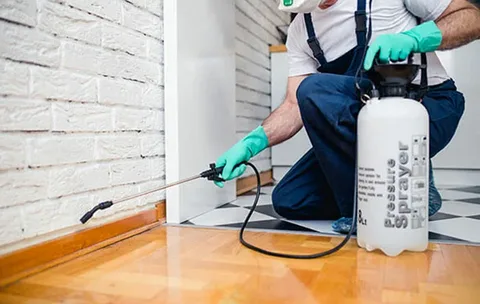
Termites are among the most destructive pests that can affect residential properties. They often remain hidden inside walls, floors, wooden frames, and furniture. This makes termite damage difficult to notice until it becomes serious.
A home termite proofing service in Lahore focuses on preventing termite infestations before they cause major damage. Proper termite proofing can protect wooden structures, reduce future repair costs, and help maintain the condition of a home.
Although this guide focuses on Lahore, the same termite prevention principles can apply to homes throughout Pakistan.
What Is Home Termite Proofing?
Termite proofing is a preventive process designed to reduce the risk of termites entering and damaging a property.
Unlike regular termite treatment, which mainly targets an existing infestation, termite proofing focuses on prevention. It can involve several techniques depending on the property's construction and level of termite risk.
Common termite proofing measures include:
- Soil treatment around vulnerable areas
- Wood treatment
- Physical termite barriers
- Moisture control
- Sealing potential entry points
- Foundation protection
- Regular termite inspections
- Monitoring for early signs of infestation
A professional assessment can help determine which method is appropriate for a particular home.
Why Termite Proofing Is Important in Lahore
Lahore has a large number of residential properties with wooden doors, cabinets, flooring, furniture, and other wood-based materials. These materials can become vulnerable when termites find suitable conditions.
Moisture is another important factor. Plumbing leaks, poor drainage, damp areas, and water accumulation near foundations can increase the risk of pest activity.
Homeowners should pay special attention to:
- Ground-floor areas
- Kitchens and bathrooms
- Wooden door and window frames
- Storage rooms
- Built-in cabinets
- Damp walls and floors
- Areas near gardens
- Wooden materials touching soil
Preventive termite protection can be particularly useful for homes with a history of termite activity.
How Do Termites Enter Homes?
Termites can enter properties through hidden pathways. Subterranean termites, for example, can move through soil and reach buildings through cracks, gaps, and other concealed routes.
Potential entry points include:
- Foundation cracks
- Gaps around plumbing pipes
- Utility openings
- Soil touching wooden structures
- Construction joints
- Damp areas around foundations
Because termite activity can remain hidden, homeowners should not rely only on visible insects to identify a problem.
Common Signs of Termite Infestation
Early detection can help limit termite damage. Homeowners should regularly inspect vulnerable areas for warning signs.
Mud Tubes
Subterranean termites may build narrow mud tubes along foundations, walls, or other surfaces. These tubes can provide protected routes between the colony and a food source.
Hollow Wood
Termites can consume wood from the inside. As a result, damaged wood may sound hollow when gently tapped.
Discarded Wings
Winged termites may appear during swarming periods. Finding piles of discarded wings near windows, doors, or light sources can indicate termite activity.
Damaged Wooden Structures
Doors, cabinets, flooring, furniture, and wooden frames can develop hidden or visible damage.
Bubbling or Uneven Surfaces
Termite activity behind walls or wooden materials can sometimes cause paint, wallpaper, or flooring to become uneven.
Common Termite Proofing Methods
Different homes require different termite prevention techniques. The appropriate method depends on the building's structure, soil conditions, termite species, and existing activity.
Soil Treatment
Soil treatment can create a protective chemical barrier around certain parts of a property. It is commonly considered during construction and may also be suitable for some existing buildings.
Wood Treatment
Wood treatment can help protect vulnerable wooden components from termite attack.
These may include:
- Door frames
- Window frames
- Cabinets
- Wooden flooring
- Timber structures
- Other exposed wood
Physical Termite Barriers
Physical barriers are designed to make it difficult for termites to move from soil into a building.
They are especially useful during new construction because foundations and other vulnerable areas are easier to access before the property is completed.
Baiting Systems
Termite bait systems use specially designed stations to monitor and control termite activity. They can be useful in certain properties where ongoing monitoring is required.
The suitability of a baiting system depends on the termite species and property conditions.
Termite Proofing During New Construction
New construction provides an excellent opportunity to introduce termite prevention measures.
Homeowners and builders can consider termite protection before floors, walls, and other finishes are completed.
Important measures may include:
- Protecting foundations
- Treating suitable soil areas
- Installing physical termite barriers
- Improving drainage
- Protecting wooden components
- Reducing wood-to-soil contact
- Addressing potential entry points
Preventive work during construction can be easier than accessing hidden areas after a house is fully finished.
How to Prevent Termites in an Existing Home
Homeowners can also reduce termite risks through regular property maintenance.
Control Moisture
Repair leaking pipes, taps, roofs, and drainage systems as soon as possible. Persistent moisture can create favorable conditions for termite activity.
Improve Drainage
Make sure water drains away from the building. Avoid standing water near foundations.
Avoid Wood-to-Soil Contact
Keep wooden materials away from direct contact with soil whenever possible.
Remove Dead Wood
Old timber, tree stumps, branches, and other cellulose-based materials near the property can attract termites.
Inspect Wooden Areas
Regularly check doors, cabinets, flooring, furniture, and other wooden structures for signs of damage.
Arrange Professional Inspections
If you notice mud tubes, hollow wood, discarded wings, or unexplained wood damage, consider arranging a professional termite inspection.
DIY Termite Control vs Professional Termite Inspection
Some homeowners use household insecticides when they notice termites. While these products may kill visible insects, they may not address hidden colonies or the source of the infestation.
A professional inspection can provide a more complete assessment.
An inspection can help determine:
- Whether termites are currently active
- Where activity is concentrated
- Which type of termite may be involved
- How much damage has occurred
- Which prevention method is appropriate
- Whether corrective treatment is necessary
This information allows homeowners to choose a solution based on the property's actual condition.
Termite Prevention Across Pakistan
Termite problems are not limited to Lahore. Residential properties in Karachi, Islamabad, Rawalpindi, Faisalabad, Multan, Peshawar, Gujranwala, and other parts of Pakistan can also experience termite activity.
However, environmental and construction conditions vary between locations.
Factors such as:
- Soil conditions
- Rainfall
- Humidity
- Drainage
- Building age
- Construction materials
- Landscaping
- Moisture levels
can influence termite risk.
For this reason, homeowners should avoid assuming that the same termite control method will work equally well for every property.
How Often Should a Home Be Inspected?
There is no single inspection schedule that suits every home.
Properties may require closer monitoring when they have previous termite activity, moisture problems, extensive wooden structures, poor drainage, or wood located near soil.
Regular inspection helps homeowners identify problems early. Early detection can reduce the risk of extensive structural and furniture damage.
Frequently Asked Questions
What is home termite proofing?
Home termite proofing is a preventive process that reduces the chances of termites entering and damaging a property. It can include soil treatment, wood protection, physical barriers, moisture control, and regular inspections.
Is termite proofing necessary for homes in Lahore?
Termite proofing can be useful for homes with wooden structures, moisture problems, soil-to-wood contact, or previous termite activity. A property inspection can help determine the level of risk.
What is the best way to prevent termites?
The best approach combines moisture control, reduced wood-to-soil contact, suitable termite barriers, regular inspections, and professional treatment when active termites are detected.
Can a new house be termite-proofed?
Yes. Termite prevention can be incorporated during construction through suitable soil treatment, foundation protection, physical barriers, drainage improvements, and protection of vulnerable wooden materials.
How do I know if my home has termites?
Common warning signs include mud tubes, hollow wood, discarded wings, damaged wooden structures, and unusual changes in floors, walls, or wooden surfaces.
Conclusion
A home termite proofing service in Lahore can help homeowners prevent termite problems before they develop into expensive repairs. Effective protection involves more than treating visible insects. It requires identifying risks, controlling moisture, protecting vulnerable materials, and monitoring the property over time.
These preventive practices are also relevant to homeowners throughout Pakistan. The most suitable termite protection method should always depend on the property's construction, environmental conditions, and level of termite activity.

 English
 Arabic
 French
 Spanish
 Portuguese
 Deutsch
 Dutch
Dutch
 Italiano
 Russian
 Romaian
 Portuguese (Brazil)
 Greek
Greek
