Reminiscence activities can help people with dementia connect with familiar memories, emotions, and experiences while encouraging communication and social interaction. For families arranging Dementia Care At Home In Dubai, incorporating meaningful memories into everyday routines can make home care more engaging and comforting. A Doctor at Home can also provide convenient professional guidance when families have concerns about changing symptoms or overall wellbeing. Reminiscence does not require perfect memory; instead, it focuses on creating positive opportunities for conversation, recognition, emotional connection, and participation.
Understanding Reminiscence Activities for Dementia Care:
Reminiscence activities involve talking about, viewing, listening to, or interacting with things connected to a person’s past. These experiences may include family photographs, familiar music, old recipes, traditional celebrations, hobbies, occupations, childhood experiences, or meaningful places. Dementia can affect recent memory while some older memories remain accessible for longer periods, although this varies from person to person. Reminiscence activities should therefore be flexible and pressure-free. Caregivers should avoid turning conversations into memory tests. Instead, they can provide gentle prompts and allow the person to share whatever comes naturally, including feelings, stories, gestures, or expressions.
Creating a Personalized Memory Box:
A memory box is a simple and affordable way to bring meaningful reminders into the home. Families can choose safe objects associated with important periods of the person’s life and place them in a clearly organized container. Items might include photographs, postcards, fabric samples, hobby-related objects, copies of old documents, or other non-valuable keepsakes. The person can explore the box independently or with a caregiver. Useful items may include:
- Family photographs
- Old greeting cards
- Familiar household objects
- Hobby-related items
- Copies of meaningful letters or postcards
- Fabric representing a favorite activity or tradition
Caregivers should avoid using irreplaceable valuables because objects can sometimes become misplaced or damaged.
Using Family Photographs to Encourage Conversation:
Photographs can provide strong visual prompts for reminiscence. Instead of asking difficult questions such as “Who is this?”, caregivers can make observations such as “This looks like a family celebration” and allow the person to respond naturally. Looking through photographs can encourage storytelling, emotional expression, or recognition. Digital photographs can also be displayed on a tablet or television, although physical albums may be easier for some individuals to handle. Families can organize pictures chronologically or by themes such as childhood, work, holidays, weddings, hobbies, and family gatherings. The most important goal is creating a relaxed conversation rather than testing whether the person remembers every detail.
Making Music Part of Reminiscence Activities:
Music can be a valuable part of reminiscence because familiar songs may evoke emotions and associations from earlier periods of life. Caregivers can create a playlist featuring music the person enjoyed during their younger years, cultural celebrations, family occasions, or favorite hobbies. Listening together can lead to singing, clapping, dancing, or simply enjoying the rhythm. Music may also help establish comforting routines, such as playing familiar songs during afternoon relaxation. Caregivers should observe the person’s response because certain songs may trigger unpleasant memories as well as positive ones. If a particular piece causes distress, it should be stopped and replaced with something more comforting.
Exploring Childhood and Family Memories:
Talking about childhood can provide opportunities for meaningful interaction, particularly when conversations focus on familiar experiences rather than specific facts. Caregivers might discuss school days, childhood games, family traditions, favorite foods, pets, or places where the person lived. Old photographs, familiar objects, songs, or smells can be used as conversation prompts. It is important not to correct every detail if the person remembers an event differently, unless accuracy is necessary for safety. The purpose is emotional connection and engagement rather than proving whether a memory is historically accurate.
Incorporating Favorite Foods and Recipes:
Food can connect several senses with personal memories. Preparing a familiar family recipe may encourage participation while stimulating smell, taste, touch, and conversation. A person who once enjoyed cooking might help with simple and safe tasks such as washing vegetables, stirring ingredients, arranging food, or choosing between familiar options. Caregivers should adapt activities to the person’s abilities and consider dietary restrictions or swallowing concerns. Recipe cards, photographs of traditional meals, and conversations about family celebrations can also turn mealtimes into opportunities for reminiscence. Supervision is essential whenever cooking equipment, hot surfaces, sharp utensils, or potentially unsafe foods are involved.
Talking About Hobbies and Past Interests:
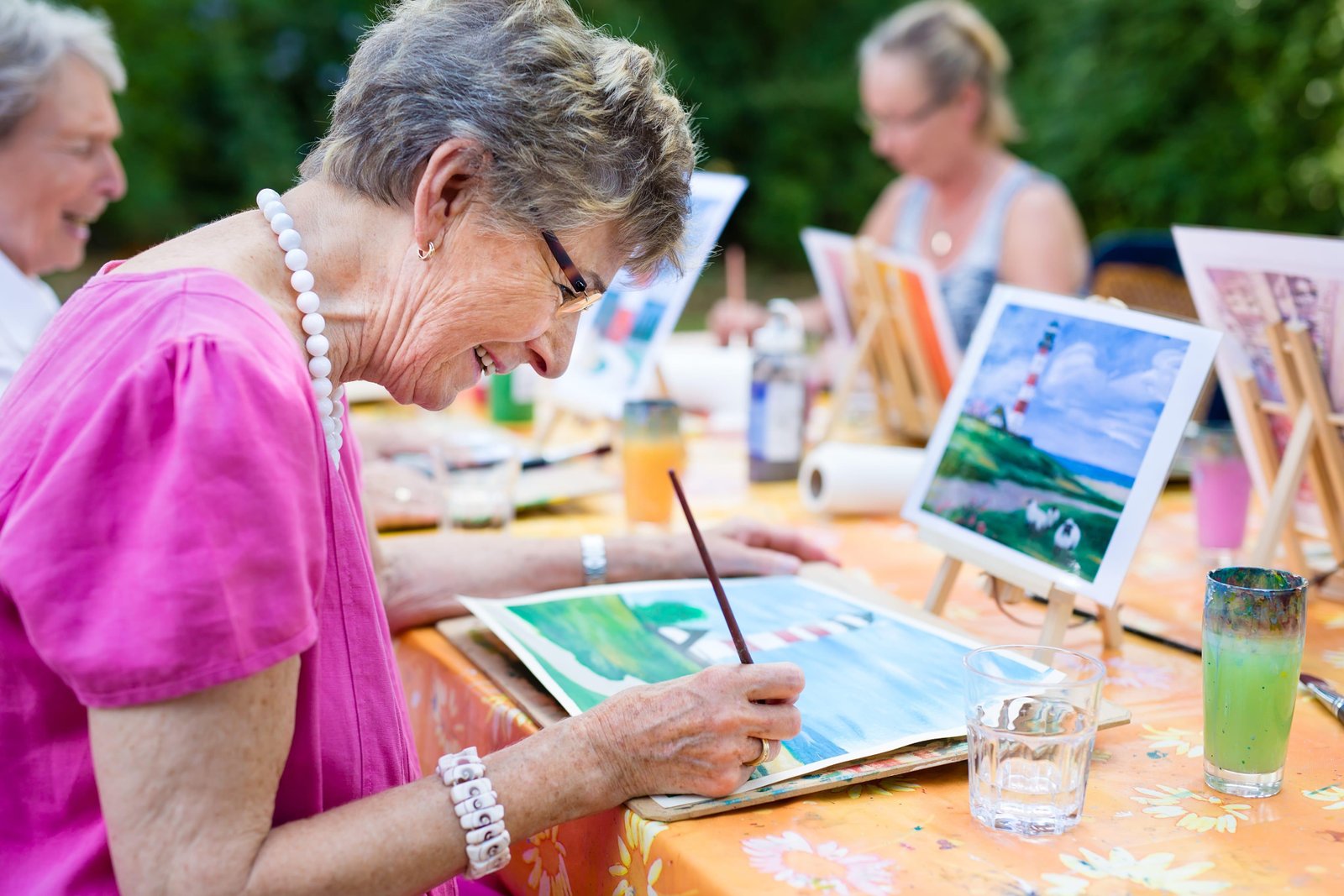
Past hobbies can provide meaningful themes for reminiscence. Someone who enjoyed gardening might look through pictures of plants, arrange flowers, or discuss favorite gardens. A former sports enthusiast might listen to familiar commentary, look at team photographs, or talk about memorable matches. Other themes can include sewing, painting, fishing, reading, travel, crafts, or collecting. Activities should be adapted to current abilities rather than expecting the person to perform the hobby as they once did. The focus should be on recognition and enjoyment, allowing the person to participate in ways that feel achievable.
Using Cultural and Family Traditions:
Cultural traditions can play an important role in creating familiar and emotionally meaningful experiences. Families can incorporate traditional music, celebrations, clothing, stories, recipes, decorations, or other familiar customs into reminiscence sessions. These activities may encourage a sense of identity and belonging while creating opportunities for relatives to participate together. Younger family members can also become involved by asking the person to share stories about past celebrations or family customs. When communication becomes difficult, familiar traditions can provide alternative ways to connect through shared experiences.
Making Reminiscence a Regular Home Routine:
Reminiscence does not need to be a formal therapy session. It can be naturally incorporated into everyday home care. A caregiver might spend ten minutes looking at photographs after breakfast or listen to familiar music during an afternoon activity. Short, enjoyable sessions may be easier to manage than lengthy conversations. Families can observe which topics produce positive engagement and develop a routine around them. A flexible approach is particularly important because energy, mood, and attention can change from day to day. Helpful practices include:
- Keep sessions short and relaxed
- Choose familiar and meaningful topics
- Allow the person to lead the conversation
- Avoid correcting harmless memory errors
- Stop if the person becomes distressed
- Repeat favorite activities when they remain enjoyable
Supporting Reminiscence With Professional Dementia Care:
Reminiscence can complement other aspects of dementia care, including personal care, nutrition, medication management, mobility support, and emotional wellbeing. Families should remember that dementia affects individuals differently, so activities should be adapted according to changing needs and abilities. Professional healthcare support can help caregivers respond appropriately when there are significant changes in behavior, communication, mobility, sleep, appetite, or general health. For families using Dementia Care At Home In Dubai, combining personalized reminiscence activities with appropriate professional support can contribute to a more structured and compassionate home environment. Caregivers should always prioritize dignity, safety, comfort, and the individual’s preferences.
Final Thoughts:
Reminiscence activities can transform ordinary moments at home into meaningful opportunities for connection. Photographs, music, recipes, hobbies, family stories, and cultural traditions can encourage communication while helping people with dementia feel recognized and valued. The success of an activity should not be measured by how accurately someone remembers the past, but by whether the experience creates comfort, enjoyment, or connection in the present. With patience and personalization, families can make reminiscence a natural part of Dementia Care At Home In Dubai, helping create a supportive home environment where meaningful experiences remain possible.




 English
 French
 Spanish
 Portuguese
 Deutsch
 Turkish
 Dutch
Dutch
 Italiano
 Russian
 Romaian
 Portuguese (Brazil)
 Greek
Greek