


How Federal Facility Planning Supports Mission Readiness
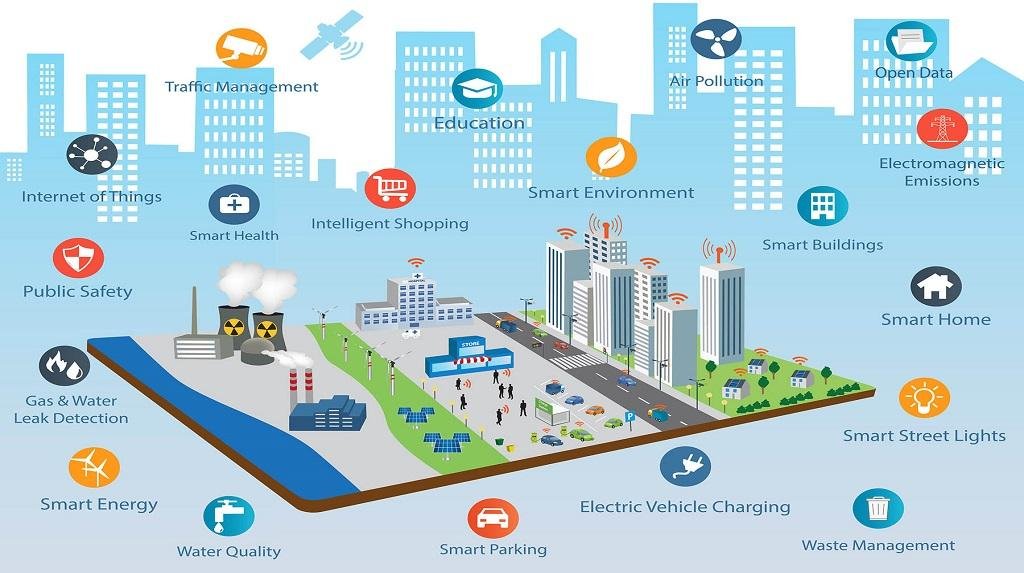
Federal agencies depend on facilities that support critical missions, essential services, personnel, and operations. Whether a facility serves defense, public safety, research, transportation, administration, or another federal function, its physical environment can directly influence how effectively an organization performs its mission. Federal facility planning helps agencies make informed decisions about space, infrastructure, resources, security, and long-term facility needs.
Effective planning looks beyond simply constructing or renovating a building. It considers how facilities need to function today, how requirements may change in the future, and what investments are necessary to maintain reliable operations. By connecting facility decisions with organizational objectives, federal facility planning can support mission readiness and long-term resilience.
What Is Federal Facility Planning?
Federal facility planning is the process of evaluating an agency's current and future facility requirements and developing strategies to meet those needs.
Planning may involve existing buildings, new facilities, infrastructure, utilities, transportation access, site conditions, space utilization, security requirements, and future development. Depending on the project, planners may also evaluate environmental conditions, operational workflows, sustainability, resilience, and lifecycle costs.
The objective is to create a clear framework for making facility investments that support the agency's mission.
Instead of responding to facility problems only when they become urgent, agencies can use planning to identify needs earlier and prioritize improvements strategically.
Connecting Facilities With Mission Requirements
A facility is most effective when its design and infrastructure support the work being performed inside it.
Federal agencies may have highly specialized operational requirements. Some facilities need secure areas, specialized equipment, controlled access, redundant systems, specialized laboratories, training spaces, or other mission-specific features.
Facility planning begins by understanding these requirements.
Planners can evaluate how employees, equipment, information, visitors, and materials move through a facility. They can then consider whether existing spaces support these activities effectively or whether modifications are needed.
This connection between mission requirements and physical infrastructure helps ensure that facility investments serve a clear operational purpose.
Improving Space Utilization
Space is a valuable resource, particularly for agencies managing large portfolios of federal properties.
Over time, an organization's space requirements can change. Some facilities may become overcrowded while others may have underutilized areas. Departments may also move, expand, consolidate, or adopt new ways of working.
Federal facility planning can help agencies understand how existing space is being used and identify opportunities to improve efficiency.
Better space utilization can potentially reduce unnecessary costs while ensuring that critical functions have adequate room to operate.
It can also help agencies determine whether renovation, consolidation, relocation, or new construction is the most appropriate option.
Supporting Reliable Infrastructure
Mission readiness depends on more than the condition of office or operational spaces. Essential infrastructure must also function reliably.
Water, wastewater, electrical systems, heating and cooling, communications, transportation networks, stormwater systems, and other infrastructure can all influence facility performance.
Facility planning allows agencies to examine these systems as part of a larger picture.
For example, a facility expansion may increase demand on utilities. If existing systems do not have sufficient capacity, improvements may need to be planned before construction begins.
Addressing infrastructure requirements early can help prevent service interruptions and reduce the likelihood of expensive modifications later.
Planning for Security and Resilience
Many federal facilities have security requirements that are significantly different from those of ordinary commercial buildings.
Planning can help agencies consider access control, site circulation, physical security, emergency response, critical infrastructure protection, and other requirements during the early stages of facility development.
Resilience is another important consideration. Facilities may need to remain operational during severe weather, utility disruptions, natural hazards, or other unexpected events.
Planning for these risks can help agencies identify vulnerabilities and develop strategies for maintaining essential functions when conditions are challenging.
Preparing for Future Growth
Federal agencies are not static organizations. Missions can expand, programs can change, staffing levels can fluctuate, and technology can introduce new facility requirements.
A facility designed only around current needs may become inadequate sooner than expected.
Federal facility planning considers future scenarios so agencies can make investments that remain useful over time.
This may include reserving space for future expansion, designing flexible interiors, planning utility capacity, or identifying potential sites for future development.
Thinking ahead can reduce the disruption and expense associated with responding to growth after a facility has reached its limits.
Supporting Sustainability and Resource Efficiency
Federal agencies also have an interest in managing resources responsibly. Facility planning can incorporate sustainability considerations into decisions about buildings, infrastructure, energy, water, and land.
Energy-efficient systems, water conservation, renewable energy opportunities, sustainable materials, and improved site design may help reduce long-term operating impacts.
Sustainable planning can also contribute to resilience. Efficient buildings and infrastructure may be better positioned to manage resource constraints and changing environmental conditions.
Importantly, sustainability should be considered alongside mission requirements rather than treated as an isolated objective.
Prioritizing Capital Investments
Federal agencies often manage large portfolios with competing infrastructure needs. Not every building or system can be upgraded at the same time.
Facility planning provides a structured way to prioritize investments.
Planners can evaluate factors such as facility condition, mission importance, operational risk, capacity, security, lifecycle costs, and future requirements. This information can help agencies determine which projects require immediate attention and which can be addressed later.
A prioritized capital improvement strategy can make funding decisions more transparent and help agencies direct resources toward projects with the greatest mission impact.
Improving Coordination Across Disciplines
Federal facilities often involve many technical considerations. Architects, civil engineers, structural engineers, environmental professionals, planners, facility managers, security specialists, and other experts may all contribute to a project.
Facility planning creates an opportunity to coordinate these perspectives before major decisions are made.
Early collaboration can reveal conflicts between different requirements and help teams develop integrated solutions.
For example, a site expansion may affect utilities, transportation, drainage, security, and environmental conditions. Considering these issues together can produce a more practical and coordinated plan.
Making Decisions Based on Data
Modern facility planning increasingly relies on information about building conditions, space usage, infrastructure capacity, energy consumption, maintenance requirements, and operational needs.
Using reliable data allows agencies to move beyond assumptions and make more defensible decisions.
Facility assessments, geographic information systems, asset inventories, condition evaluations, and other analytical tools can help planners understand current conditions and compare future scenarios.
Better information can lead to better prioritization and more effective use of limited resources.
Strengthening Mission Readiness Through Planning
Mission readiness depends on an agency's ability to perform its responsibilities reliably when needed. Facilities are a critical part of that capability.
Federal facility planning helps agencies connect physical infrastructure with operational objectives. By evaluating current conditions, anticipating future requirements, strengthening infrastructure, improving space utilization, planning for security and resilience, and prioritizing investments, agencies can create environments that better support their missions.
The value of planning extends well beyond a single construction project. A thoughtful facility plan can provide a long-term roadmap for managing properties, infrastructure, and resources as organizational needs evolve.
In the end, mission-ready facilities are not created by accident. They result from understanding operational needs, anticipating future challenges, and making coordinated decisions before problems become urgent. Through effective federal facility planning, agencies can build and maintain facilities that are reliable, adaptable, secure, and prepared to support critical missions for years to come.

 English
 Arabic
 Spanish
 Portuguese
 Deutsch
 Turkish
 Dutch
Dutch
 Italiano
 Russian
 Romaian
 Portuguese (Brazil)
 Greek
Greek