Property Inspection Services for Safer Property Decisions
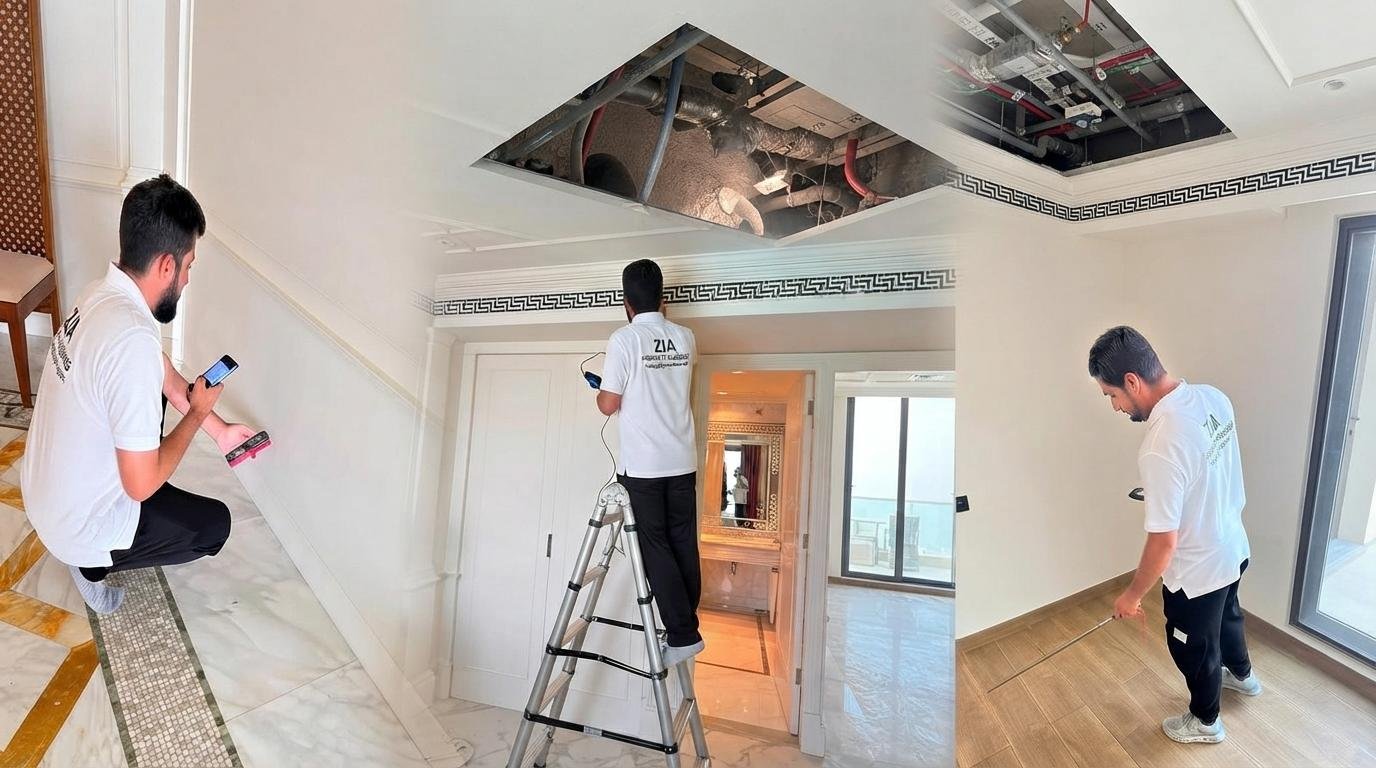
Buying, selling, renting, or maintaining a property is an important decision that requires a clear understanding of the building's condition. A property can appear attractive during a quick viewing while still containing defects, unfinished work, poor workmanship, or maintenance concerns that may not be immediately visible. Professional Property Inspection Services help property owners, buyers, landlords, tenants, and investors understand the actual condition of a property before making important decisions.
A property inspection involves a detailed visual assessment of accessible areas and building components. Depending on the property type and inspection requirements, it may cover walls, ceilings, floors, doors, windows, kitchens, bathrooms, plumbing fixtures, electrical components, air conditioning systems, finishes, and other accessible areas.
The purpose of professional inspection is not simply to identify problems. It is to provide useful information that helps clients understand the condition of their property, prioritize maintenance, communicate with contractors, and make better-informed decisions.
Why Property Inspection Services Matter
Property ownership involves ongoing responsibilities. Construction defects, moisture problems, damaged finishes, faulty fixtures, and maintenance concerns can become more difficult to manage when they are ignored.
A professional inspection provides an organized assessment of visible property conditions. Instead of relying only on appearance or assumptions, clients can receive documented observations about areas that may require attention.
For buyers, inspection can provide valuable information before purchasing a property. For homeowners, it can help identify maintenance requirements. For landlords, it can assist with property condition assessments before or after occupancy.
Inspection can also be useful before renovation because existing problems can be identified before new finishes or installations cover them.
What Property Inspection Services Include
The scope of an inspection depends on the property and the client's requirements. A comprehensive inspection generally examines accessible areas and visible components throughout the building.
Structural and General Building Inspection
Inspectors may examine visible walls, ceilings, floors, columns, doors, windows, and other building elements. They look for signs of cracking, deterioration, uneven surfaces, damaged finishes, poor workmanship, and other visible concerns.
A visual inspection cannot confirm every concealed structural condition. However, visible warning signs can help determine whether additional specialist assessment may be necessary.
Flooring Inspection
Flooring can develop defects during construction, installation, renovation, or everyday use. An inspection may identify cracked tiles, uneven surfaces, damaged grout, poor alignment, chipped finishes, or other visible problems.
Flooring defects can affect both appearance and usability. Identifying them early can make repair and maintenance more manageable.
Wall and Ceiling Inspection
Walls and ceilings can reveal important signs of moisture, movement, poor finishing, or workmanship problems. Inspectors may look for cracks, stains, peeling paint, uneven surfaces, damaged plaster, and other visible conditions.
Moisture marks can be particularly important because they may indicate plumbing leaks, condensation, waterproofing concerns, or other underlying issues.
Door and Window Inspection
Doors and windows contribute to security, ventilation, comfort, and energy efficiency. Inspection can include their general condition, alignment, operation, handles, locks, frames, seals, and visible installation quality.
Problems such as difficult operation, damaged seals, gaps, or misalignment can be documented so that appropriate corrective action can be considered.
Plumbing Inspection
Water-related problems can cause significant damage if they remain unnoticed. Property Inspection Services may review accessible plumbing fixtures, sinks, taps, toilets, showers, drainage points, visible pipes, and related areas.
Inspectors may identify signs of leakage, water staining, poor drainage, damaged fittings, loose fixtures, or inadequate sealing.
Electrical Inspection
Electrical components are essential for property safety and everyday convenience. A visual inspection may include accessible switches, sockets, lighting fixtures, distribution boards, and other visible electrical elements.
The inspector may identify visible damage, loose fittings, poor installation, or other concerns. Where specialized electrical testing is required, further assessment by a qualified specialist may be recommended.
Air Conditioning Inspection
Air conditioning plays an important role in maintaining comfortable indoor environments. Inspection may cover accessible vents, visible ductwork, controls, drainage arrangements, and other related components.
Visible concerns involving installation, drainage, or equipment condition can be documented for further maintenance or specialist evaluation.
Property Inspection for New Homes
New properties are often assumed to be perfect because they have recently been constructed. However, construction involves multiple contractors, materials, systems, and finishing processes. Defects can occur even in newly completed properties.
Property Inspection Services can be especially useful before handover. A professional inspector may identify incomplete work, damaged tiles, paint defects, cabinet issues, poor sealant, door alignment problems, plumbing concerns, electrical observations, and other finishing defects.
Identifying these concerns before handover gives the property owner an opportunity to communicate them to the relevant parties and request corrective work.
Property Inspection for Existing Homes
Existing properties require regular maintenance because building components naturally experience wear and deterioration.
A property inspection can help owners identify areas that require attention. It may reveal moisture concerns, damaged finishes, deteriorating sealants, plumbing problems, door and window issues, or other visible maintenance requirements.
For homeowners planning to sell a property, an inspection can also provide useful information about conditions that may need to be addressed before placing the property on the market.
Property Inspection Before Buying
Purchasing a property without understanding its condition can create unexpected challenges after completion. A professional inspection helps buyers obtain a clearer picture of visible defects and maintenance concerns.
An inspection does not replace legal or financial due diligence, but it can be an important part of the overall property evaluation process.
Buyers can use inspection findings to understand potential maintenance requirements and determine whether additional specialist assessments may be appropriate.
Property Inspection Before Renovation
Renovation projects often involve significant changes to kitchens, bathrooms, flooring, walls, lighting, plumbing, or other areas. Existing problems should ideally be identified before renovation begins.
An inspection can reveal conditions that may affect the planned work. Moisture problems, damaged surfaces, poor installations, or other defects may need attention before new materials are installed.
Addressing existing concerns early can help make renovation projects more organized and reduce the risk of completing new work over unresolved problems.
Benefits of Professional Property Inspection Services
One of the main benefits of professional inspection is better decision-making. Clients receive documented information about property conditions rather than relying entirely on appearances.
Another important benefit is early defect detection. Problems are often easier to manage when they are discovered before they become more serious.
Inspection also supports maintenance planning. Property owners can prioritize repairs based on the condition of different areas and components.
Professional inspection can improve communication as well. Clear descriptions and photographs make it easier to discuss defects with contractors, developers, landlords, tenants, or maintenance teams.
An inspection report can also become a useful reference for future maintenance and property management.
Property Inspection Services for Villas
Villas contain a wide range of internal and external areas. Depending on the inspection scope, these may include living spaces, bedrooms, kitchens, bathrooms, terraces, garages, service areas, outdoor spaces, windows, doors, walls, ceilings, and accessible roof areas.
A villa inspection can help identify visible defects involving finishes, plumbing, drainage, fixtures, doors, windows, and other building components.
Because villas can have extensive spaces and multiple systems, professional inspection can provide owners with a more organized understanding of the property's condition.
Property Inspection Services for Apartments
Apartments can also benefit from professional inspection. Accessible areas may include living rooms, bedrooms, kitchens, bathrooms, balconies, corridors, storage areas, flooring, ceilings, doors, windows, plumbing fixtures, electrical components, and air conditioning systems.
Inspection is particularly useful during new apartment handover because finishing and installation defects can sometimes be identified before the property is occupied.
For existing apartments, inspection can assist owners with maintenance planning and property condition assessment.
Commercial Property Inspection
Commercial properties have different requirements from residential buildings. Offices, retail units, warehouses, hospitality spaces, and other commercial properties can contain specialized installations and larger areas.
A commercial property inspection can assess relevant accessible areas, including building finishes, doors, windows, plumbing fixtures, electrical components, ventilation, air conditioning, and other systems depending on the agreed inspection scope.
Identifying concerns before purchasing, leasing, renovating, or opening a commercial property can help reduce unexpected maintenance problems.
Importance of an Inspection Report
A detailed inspection report is an important part of professional property inspection. The report should present observations clearly and make it easy for the client to understand the condition of different areas.
Photographs can provide valuable visual evidence and help identify the exact location of defects.
A well-organized report can also support communication with contractors and developers. Property owners can use the report as a reference when discussing corrective work or planning maintenance.
The quality of the report is therefore an important consideration when choosing Property Inspection Services.
How to Choose Property Inspection Services
Selecting the right inspection provider requires careful consideration. Clients should look for professional experience, clear communication, detailed reporting, suitable inspection methods, and knowledge of different property types.
It is important to understand the scope of the inspection before the service begins. The inspection should match the property's size, type, condition, and purpose.
A professional inspector should explain findings in understandable language and focus on observable conditions. If an issue requires specialized testing or assessment, the inspector should clearly communicate that additional professional evaluation may be needed.
When Should You Arrange a Property Inspection?
There are several situations when a property inspection can be valuable. Buyers may arrange an inspection before purchasing a home. Owners of newly constructed properties may request an assessment before handover.
Existing property owners may arrange inspections when preparing for renovation, selling a property, investigating recurring concerns, or planning maintenance.
Landlords can also use inspections to understand the condition of a property before a new tenant moves in or after a tenancy ends.
A proactive inspection can help identify problems before they become more difficult or expensive to address.
Frequently Asked Questions
What are Property Inspection Services?
Property Inspection Services involve professional assessments of accessible areas and visible building components to identify defects, maintenance concerns, workmanship problems, and other property conditions.
Why is a property inspection important?
A property inspection helps clients understand the actual condition of a building. It can identify visible concerns that may not be obvious during a normal property viewing.
Should I inspect a property before buying it?
Yes. A professional inspection can provide useful information about visible defects and maintenance concerns before you make a major property decision.
Can new properties have defects?
Yes. Newly constructed properties can contain finishing defects, installation problems, incomplete work, or workmanship concerns. Inspection before handover can help identify these issues.
What areas can be inspected?
Depending on the agreed scope, an inspection may cover walls, ceilings, floors, doors, windows, kitchens, bathrooms, plumbing fixtures, electrical components, air conditioning, and other accessible areas.
Can an inspection detect hidden problems?
A standard visual inspection cannot guarantee the detection of every concealed defect. However, visible signs may indicate that additional specialist investigation is required.
Is property inspection useful before renovation?
Yes. Inspection before renovation can help identify existing defects and conditions that should be addressed before new materials or installations are added.
Do landlords need property inspection services?
Property inspection can be useful for landlords because it helps document property condition and identify maintenance requirements before or after occupancy.
Can commercial properties be inspected?
Yes. Commercial properties can be inspected according to their type, use, size, and specific requirements. The scope can be adapted to relevant building components.
What should an inspection report contain?
A professional report generally documents observed conditions and defects with clear descriptions and photographs where appropriate. The exact report format depends on the inspection provider and agreed scope.
Conclusion
Professional Property Inspection Services provide valuable information for buyers, homeowners, landlords, tenants, investors, and commercial property owners. A property may appear well maintained while still containing defects, workmanship concerns, moisture problems, installation issues, or maintenance requirements that are not immediately visible.

 English
 Arabic
 French
 Spanish
 Portuguese
 Deutsch
 Turkish
 Dutch
Dutch
 Italiano
 Romaian
 Portuguese (Brazil)
 Greek
Greek