


Fire Risk Assessment Waltham Forest for Businesses and Property Owners
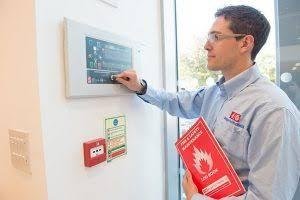
Fire safety is an essential responsibility for businesses, landlords, property managers and other people responsible for premises in Waltham Forest. A professional Fire Risk Assessment Waltham Forest service can help identify fire hazards, assess the people who may be at risk, and recommend practical measures to reduce the likelihood and impact of a fire.
The Regulatory Reform (Fire Safety) Order 2005 places duties on the responsible person for most non-domestic premises and certain shared areas of residential buildings. London Fire Brigade explains that responsible persons must ensure a suitable fire risk assessment is completed by a competent person and that the findings are recorded.
Waltham Forest Council also highlights fire risk assessments as an important part of managing fire safety in HMOs and other properties, with requirements depending on the type of property, occupancy and level of risk.
What Is a Fire Risk Assessment?
A Fire Risk Assessment Waltham Forest is a structured examination of a property to identify potential fire hazards and determine who could be harmed if a fire occurs. It also evaluates the existing fire precautions and identifies improvements that may be required.
A suitable assessment generally considers:
- Sources of ignition
- Combustible materials
- Sources of oxygen
- Electrical equipment
- Heating systems
- Cooking facilities
- Fire doors
- Escape routes
- Emergency lighting
- Fire alarm systems
- Fire extinguishers
- Emergency procedures
- Staff training
- Vulnerable occupants
- Fire safety management
The purpose is not simply to produce paperwork. The assessment should help the responsible person understand the actual risks within the building and take appropriate action to control them.
Who Needs a Fire Risk Assessment in Waltham Forest?
Fire safety responsibilities can apply to many different types of premises. These may include offices, shops, warehouses, restaurants, hotels, schools, care premises, HMOs, commercial properties and blocks containing multiple residential units.
The responsible person may be an employer, building owner, landlord, property manager or another person who has control over the premises.
For HMOs in Waltham Forest, fire safety requirements can be particularly complex because different property layouts, occupancy arrangements and occupier characteristics can affect the level of risk. Waltham Forest Council states that fire risk assessments should follow a risk-based approach appropriate to the property and its occupation.
Why Is a Fire Risk Assessment Important?
The primary purpose of a Fire Risk Assessment Waltham Forest is to protect people from fire. However, it also helps property owners and businesses demonstrate that they are taking reasonable steps to meet their fire safety responsibilities.
An assessment can identify problems before they become serious. For example, an assessor may discover blocked escape routes, damaged fire doors, inadequate signage, unsuitable storage of combustible materials or gaps in emergency procedures.
Addressing these issues can reduce the chance of fire spreading and improve the ability of occupants to evacuate safely.
Fire safety assessments can also provide a documented record of identified risks and recommended actions. Since changes introduced by Section 156 of the Building Safety Act 2022, responsible persons must record the findings of fire risk assessments and fire safety arrangements.
What Does a Fire Risk Assessment Include?
1. Identification of Fire Hazards
The assessor examines the property for potential sources of ignition and combustible materials. Electrical appliances, cooking equipment, heaters, machinery and smoking materials may all need consideration.
Storage arrangements are also assessed because excessive combustible materials can increase the severity of a fire.
2. Identifying People at Risk
A good assessment considers everyone who could be affected by a fire. This can include employees, customers, visitors, contractors, residents and members of the public.
Particular attention may be required for people who could have difficulty evacuating without assistance.
3. Escape Routes
Escape routes should allow people to leave the building safely. The assessment considers corridors, stairways, doors, final exits and the availability of alternative escape routes.
Obstructions, locked exits or unsuitable storage in escape routes can create serious risks.
4. Fire Detection and Alarm Systems
The assessor checks whether the fire detection and alarm arrangements are appropriate for the premises.
The correct system depends on factors such as building layout, occupancy, sleeping accommodation and the nature of activities taking place inside the property.
5. Fire Doors and Compartmentation
Fire doors and fire-resisting construction can help limit the spread of fire and smoke.
The condition, positioning and suitability of fire doors may therefore be examined during the assessment. In multi-occupied residential buildings, additional fire safety requirements may apply to doors and other parts of the building.
Waltham Forest Council's 2026 fire safety policy notes requirements concerning the structure and external walls of certain multi-occupied residential buildings and fire doors.
6. Emergency Lighting and Signage
Emergency lighting can help occupants identify escape routes if normal lighting fails. Fire safety signs should also be clear, visible and appropriate for the premises.
The assessor considers whether occupants can understand how to leave the building during an emergency.
7. Fire Extinguishers and Other Equipment
Fire extinguishers and other firefighting equipment should be suitable for the hazards present. Their positioning, accessibility and maintenance arrangements may be reviewed.
Equipment should not be provided simply for appearance; it needs to form part of an effective overall fire safety strategy.
8. Emergency Procedures and Training
A fire risk assessment should consider how people will respond if a fire occurs.
Businesses may need suitable evacuation procedures, fire action notices, staff training and appointed fire wardens or marshals depending on the circumstances.
London Fire Brigade notes that appropriate fire safety training can include fire awareness, refresher training and training for people with specific fire safety responsibilities.
Fire Risk Assessments for HMOs in Waltham Forest
HMOs require particular attention because several people may share facilities and escape routes. Occupancy levels, property layout and the characteristics of residents can influence the appropriate fire precautions.
Waltham Forest Council states that HMO fire risk assessments should take account of the individual property's risk and mode and level of occupation.
Landlords should ensure that fire safety arrangements are maintained and that identified issues are addressed promptly. Waltham Forest Council also states that fire risk assessments can be requested for properties and highlights issues such as smoke alarms and electrical safety as part of wider landlord safety responsibilities.
Fire Safety in Multi-Occupied Residential Buildings
Fire safety requirements can be particularly important in blocks of flats and other multi-occupied residential buildings.
The Fire Safety (England) Regulations 2022 introduced additional requirements for certain residential buildings. Waltham Forest Council's current fire safety policy highlights requirements relating to resident fire safety information, fire door checks and, for taller buildings, additional measures involving building information and firefighting facilities.
For this reason, property managers should ensure that their fire risk assessment reflects the building's height, structure, occupancy and fire safety arrangements.
How Often Should a Fire Risk Assessment Be Reviewed?
There is no single review interval that is suitable for every property. The assessment should be reviewed when circumstances change and at intervals appropriate to the level of risk.
A review may be necessary after:
- A significant change to the building
- Changes in occupancy
- Changes to the use of the premises
- Installation or alteration of fire safety systems
- Structural changes
- Changes to escape routes
- A fire or serious incident
- Identification of significant new hazards
- Changes in relevant fire safety requirements
Waltham Forest Council's fire safety policy states that fire risk assessments should be periodically reviewed at a timescale appropriate to the premises and its level of risk.
Choosing a Competent Fire Risk Assessor in Waltham Forest
A fire risk assessment should be carried out by someone with suitable competence for the type and complexity of the premises.
When choosing a Fire Risk Assessment Waltham Forest provider, consider their experience with your type of property, professional qualifications, assessment methodology and understanding of current UK fire safety legislation.
For larger, complex or higher-risk premises, specialist expertise may be particularly important.
A competent assessor should provide a clear report that identifies hazards, evaluates risk and explains recommended actions. The report should be practical rather than simply providing generic information.
What Happens After the Assessment?
Completing the assessment is only the first step. Any significant recommendations should be prioritised and addressed.
Actions may include repairing fire doors, clearing escape routes, improving fire detection, updating emergency lighting, improving signage, changing storage arrangements or providing additional staff training.
Each action should have an appropriate priority based on the level of risk. The responsible person should maintain records showing what has been identified and what has been done.
Waltham Forest Council's current fire safety policy specifically emphasises completing actions arising from fire risk assessments as part of its approach to fire safety.
Benefits of Professional Fire Risk Assessment Waltham Forest Services
A professional assessment can provide several important benefits:
- Identifies fire hazards within the property
- Helps protect employees, residents and visitors
- Highlights weaknesses in existing fire precautions
- Supports compliance with fire safety responsibilities
- Provides documented findings and recommendations
- Helps prioritise remedial work
- Supports better emergency planning
- Can improve overall fire safety management
Most importantly, an effective assessment gives the responsible person a clearer understanding of what needs to be done to reduce fire risk.
Conclusion
A Fire Risk Assessment Waltham Forest is an important part of responsible property and business management. Whether you operate an office, shop, restaurant, warehouse, HMO or multi-occupied residential building, fire risks should be identified, assessed and managed appropriately.
Fire safety law places significant responsibilities on the responsible person, and current requirements also emphasise recording findings and maintaining appropriate fire safety arrangements.
A thorough assessment should be specific to the building rather than based on a generic template. Once risks have been identified, recommended improvements should be implemented and the assessment reviewed when necessary.
FAQs
1. Is a fire risk assessment a legal requirement in Waltham Forest?
For premises covered by the Regulatory Reform (Fire Safety) Order 2005, the responsible person has a legal duty to carry out a suitable and sufficient fire risk assessment and take appropriate fire safety measures.
2. Who can carry out a fire risk assessment?
The assessment should be completed by a person with appropriate competence for the type and complexity of the premises. For higher-risk or complex buildings, specialist professional assistance may be appropriate.
3. Do landlords in Waltham Forest need fire risk assessments?
Fire safety requirements depend on the property type and occupancy. HMOs and properties with shared or communal areas can have specific requirements. Waltham Forest Council provides fire risk assessment guidance for HMOs and landlord safety responsibilities.
4. What happens if a fire risk assessment identifies problems?
The responsible person should take appropriate action to remove or reduce identified risks. Recommendations should be prioritised according to their seriousness and completed within appropriate timescales.
5. When should a fire risk assessment be reviewed?
It should be reviewed when significant changes occur and periodically according to the level of risk. Changes to occupancy, building layout, use, fire safety systems or significant incidents may require an earlier review.

 Arabic
 French
 Spanish
 Portuguese
 Deutsch
 Turkish
 Dutch
Dutch
 Italiano
 Russian
 Romaian
 Portuguese (Brazil)
 Greek
Greek
