


Regional Deep Dive: Asia Pacific Leads, North America Shows Strong Resilience for Luxury Goods
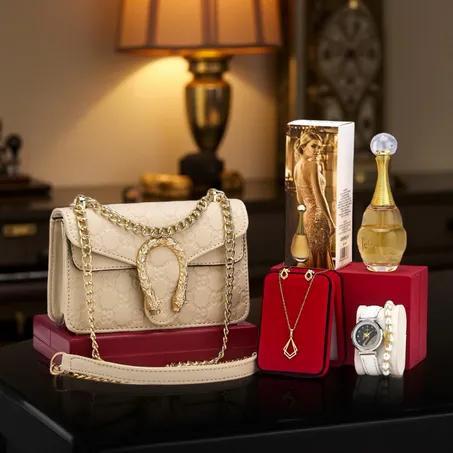
A comprehensive regional analysis of the Global Luxury Goods Market reveals distinct dynamics across major markets, with Asia Pacific emerging as a dominant force, while North America shows resilience and Europe faces challenges tied to tourism. According to the Global Luxury Goods Market report, regional dynamics are shaped by economic factors, consumer behavior, and the concentration of luxury retail infrastructure.
Market Dynamics
Asia Pacific
Asia Pacific is projected to exhibit the most robust growth, driven by rising disposable incomes, a burgeoning middle class, and a growing appetite for luxury among millennials and Gen Z consumers . China has become a dominant player in the luxury market, accounting for a significant portion of global luxury sales. This trend is bolstered by increasing urbanization and consumer sophistication, with luxury brands expanding their presence through flagship stores and e-commerce platforms . However, China's recovery remains slow and cautious, with online luxury sales rising 25% to 35% in the first quarter of 2026, showing more interest in ready-to-wear than in status-led leather goods .
North America
North America is a significant market for luxury goods, with the United States being one of the largest and most resilient markets . American luxury brands grew by around 10% to 15% in the first quarter of 2026, excluding currency movements . The U.S. market benefits from a broader consumer base, with younger shoppers spending faster than older buyers and upper middle-class households increasing luxury purchases at about twice the pace of wealthier groups . The North American region is characterized by a larger base of fashion-conscious consumers with greater disposable income .
Europe
Europe remains a historic center of luxury but faces significant challenges, as it depends heavily on tourist spending . International tourist spending fell around 20% in February 2026, with Middle Eastern visitors affected by regional conflict . However, there are signs of recovery, with tax refund data showing stronger spending by American, Chinese, and Middle Eastern visitors in May 2026 compared to April . Europe continues to rank among the top travel destinations for luxury goods, distinguishing it as a premium retail market in the region .
Middle East and Africa
The Middle East is a notable growth area, expected to grow by 4% to 6% to USD 23 billion, powered by the shopping hub of Dubai . The region is characterized by high disposable incomes and a robust tourism sector, with luxury brands increasingly focusing on experiential offerings such as exclusive events and personalized services .
Latin America
Latin America is an emerging market with growth potential, though it remains a smaller segment compared to other regions. Increased product consumption is driven by easier access to international luxury brands .
Competitive Landscape
The competitive landscape is regionally specific. In Asia Pacific, both global luxury conglomerates and local players compete for a growing and sophisticated consumer base. In North America, brands are focusing on digital engagement and resilience. In Europe, heritage houses dominate, but they are adapting to challenges in tourist spending.
Conclusion
The Luxury Goods Market displays a clear regional structure, with Asia Pacific leading in growth, North America showing strong resilience, and Europe navigating a complex recovery tied to international tourism. The global expansion of luxury consumption and infrastructure creates opportunities for brands in all regions.
FAQs
1. Which region is the largest market for luxury goods?
Asia Pacific, led by China, is a dominant market and is projected to exhibit the most robust growth .
2. Why is North America a resilient market for luxury goods?
The U.S. market has a broader consumer base, with younger shoppers and upper middle-class households increasing luxury purchases at a faster pace than wealthier groups .
3. What challenges does the European luxury market face?
Europe depends heavily on tourist spending, which has been volatile due to regional conflicts and shifts in travel patterns .

 English
 Arabic
 French
 Spanish
 Portuguese
 Deutsch
 Dutch
Dutch
 Italiano
 Russian
 Romaian
 Portuguese (Brazil)
 Greek
Greek