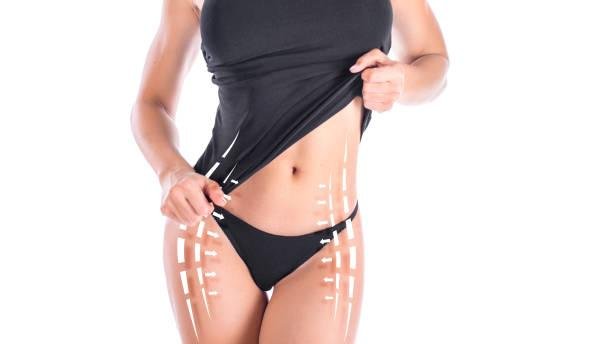
Liposuction is a body-contouring procedure designed to remove localized deposits of subcutaneous fat and improve the shape and proportions of selected areas. Although the basic goal is similar across techniques, different types of liposuction use different methods to loosen, break up, or remove fat. Understanding these approaches can help people make more informed decisions when considering liposuction in riyadh.
The most appropriate technique depends on factors such as the treatment area, amount of fat being addressed, skin quality, overall health, and the surgeon's experience. A consultation with a qualified surgeon is important before choosing a particular method.
What Is Liposuction?
Liposuction involves using a thin tube called a cannula to remove selected fat deposits through small incisions.
The procedure is primarily intended for body contouring rather than major weight loss. It can be used on areas where stubborn fat remains despite a healthy lifestyle.
Common treatment areas include:
- Abdomen
- Waist and flanks
- Thighs
- Arms
- Back
- Hips
- Under the chin
- Other areas with localized fat
Why Are There Different Types of Liposuction?
Different liposuction techniques have been developed to assist surgeons with fat removal and contouring.
Some techniques primarily use fluid infiltration, while others incorporate mechanical movement, ultrasound energy, laser energy, or other technologies.
The technology itself does not determine whether someone is a good candidate. Patient selection and surgical technique remain important factors.
Tumescent Liposuction
Tumescent liposuction is a widely used technique in which a fluid solution is introduced into the treatment area before fat removal.
The solution can help prepare the tissue, reduce bleeding, and provide local anesthesia.
How It Works
After the solution is introduced, the surgeon inserts a cannula through small incisions and uses controlled suction to remove fat.
Potential Advantages
Tumescent techniques can provide controlled fat removal and are adaptable to many body areas.
Power-Assisted Liposuction
Power-assisted liposuction uses a cannula with mechanical movement.
The powered motion can help loosen fat, allowing the surgeon to move the cannula through the tissue more efficiently.
When It May Be Considered
It can be useful for larger treatment areas or areas where fat is more fibrous.
The suitability depends on the individual patient and the surgeon's assessment.
Ultrasound-Assisted Liposuction
Ultrasound-assisted liposuction uses ultrasound energy to help disrupt fat before it is removed with suction.
How It Works
The energy is delivered through specialized equipment, helping separate fat cells from surrounding tissue before suction.
Potential Applications
It may be considered for certain areas with dense or fibrous fat.
Because energy is involved, appropriate technique and temperature control are important.
Laser-Assisted Liposuction
Laser-assisted liposuction uses laser energy during the fat-removal process.
How It Works
Laser energy is delivered through a small fiber to help disrupt fat before suction.
The technique may also produce controlled thermal effects in the surrounding tissue.
Important Consideration
Laser-assisted techniques are not suitable for everyone. The appropriate technology depends on the treatment area, skin characteristics, and surgeon's expertise.
VASER Liposuction
VASER is a form of ultrasound-assisted liposuction that uses ultrasonic energy to help separate fat from surrounding tissue.
Why Is It Used?
The technique may be considered for selective fat removal and body contouring.
It is sometimes used when detailed contouring is desired, but results still depend heavily on patient anatomy and surgical technique.
Suction-Assisted Liposuction
Traditional suction-assisted liposuction uses a cannula connected to a vacuum system.
The surgeon manually moves the cannula through the targeted fat layer while suction removes the fat.
This remains a fundamental approach in many liposuction procedures.
How Do These Techniques Differ?
The main difference is how fat is prepared for removal.
| Technique |
Main Approach |
| Tumescent liposuction |
Uses fluid infiltration before suction |
| Power-assisted liposuction |
Uses mechanical cannula movement |
| Ultrasound-assisted liposuction |
Uses ultrasound energy to assist fat separation |
| Laser-assisted liposuction |
Uses laser energy before fat removal |
| VASER liposuction |
Uses specialized ultrasonic energy for fat separation |
| Suction-assisted liposuction |
Uses cannula and vacuum suction |
The most appropriate technique should be selected according to the patient's individual needs rather than simply choosing the newest technology.
Which Type of Liposuction Is Best?
There is no single technique that is best for every patient.
A surgeon may recommend a specific approach based on:
- Treatment area
- Fat distribution
- Fat consistency
- Skin elasticity
- Desired contour
- Amount of fat being removed
- Previous procedures
- Overall health
A detailed assessment is necessary before making this decision.
Liposuction for the Abdomen
The abdomen is one of the most commonly treated areas.
Different techniques may be used depending on the amount and consistency of fat and the patient's skin quality.
Liposuction can improve localized abdominal contours but does not necessarily address significant loose skin.
Liposuction for the Waist and Flanks
Treating the flanks can help create a more defined waistline.
Careful contouring is important because excessive or uneven fat removal can produce irregularities.
Liposuction for the Thighs
The inner and outer thighs can contain localized fat deposits.
The surgeon must consider surrounding anatomy and the relationship between the thighs, hips, and buttocks when planning treatment.
Liposuction for the Arms
Upper-arm liposuction can reduce selected areas of localized fat.
However, significant skin laxity may require a different body-contouring approach.
Liposuction Under the Chin
Small-volume liposuction may be considered for suitable candidates with localized fat beneath the chin.
The surgeon evaluates skin elasticity and neck anatomy before recommending treatment.
Can Liposuction Tighten Skin?
Liposuction primarily removes fat.
Some patients with good skin elasticity may experience natural skin retraction after fat removal, but liposuction cannot reliably correct significant loose skin.
People with substantial excess skin may need an alternative or additional procedure.
Is One Technique Safer Than Another?
Safety depends on many factors, including patient selection, surgeon experience, surgical technique, anesthesia, facility standards, and postoperative care.
A particular technology should not automatically be considered safer simply because it is newer.
Your surgeon should explain the risks and benefits of the recommended approach.
What Are the Risks of Liposuction?
All surgical liposuction techniques carry potential risks.
These can include:
- Bleeding
- Infection
- Swelling
- Bruising
- Fluid accumulation
- Changes in sensation
- Contour irregularities
- Asymmetry
- Scarring
- Blood clots
- Anesthesia-related complications
- Thermal injury with energy-based techniques
Your surgeon should discuss the risks relevant to your individual procedure.
What Is Recovery Like?
Recovery varies depending on the technique, number of treatment areas, amount of fat removed, and individual healing.
Common temporary effects include swelling, bruising, tenderness, and altered sensation.
Compression garments may be recommended, and strenuous activities may need to be restricted temporarily.
When Will Results Become Visible?
Some contour changes may be noticeable relatively early, but swelling can initially hide the final result.
As the tissues heal and swelling decreases, the body's contours generally become clearer.
Are Liposuction Results Permanent?
Fat cells removed from the treated area are permanently removed.
However, remaining fat cells can increase in size if significant weight is gained.
Maintaining a stable weight can help preserve the improved body contours.
Is Liposuction a Weight-Loss Treatment?
No.
Liposuction is primarily a body-contouring procedure.
It is generally intended for localized fat deposits rather than treating obesity or replacing a healthy approach to weight management.
How to Choose the Right Liposuction Technique
The decision should be based on your anatomy and treatment goals rather than marketing claims.
During your consultation, ask your surgeon:
About the Technique
- Which technique do you recommend?
- Why is it appropriate for my treatment area?
- What are its potential benefits and limitations?
About Safety
- What risks apply to me?
- What type of anesthesia will be used?
- Where will the procedure be performed?
About Recovery
- How long might swelling last?
- When can I return to work?
- When can I resume exercise?
- Will I need a compression garment?
Preparing for Liposuction
Before Liposuction in Riyadh, your surgeon may provide instructions regarding medications, supplements, smoking, alcohol, fasting, and skincare.
Follow the individualized instructions provided by your surgical team.
Choosing a Qualified Surgeon
The surgeon's experience and approach are important regardless of the liposuction technology used.
Choose a qualified professional who can assess your anatomy, explain the available options, discuss risks, and provide appropriate postoperative follow-up.
Setting Realistic Expectations
Different liposuction technologies can assist with fat removal in different ways, but none should be viewed as a guaranteed shortcut to a particular body shape.
Results depend on anatomy, surgical technique, skin elasticity, healing, and maintaining a stable weight.
Book an Appointment at Royal Clinic Saudia
If you are exploring different types of Liposuction in Riyadh, consider booking a consultation at Royal Clinic Saudia. A qualified medical team can assess your body-contouring goals, explain the available techniques, and recommend an approach based on your individual anatomy and treatment needs.
FAQs:
What are the main types of liposuction?
Common approaches include tumescent, suction-assisted, power-assisted, ultrasound-assisted, laser-assisted, and VASER liposuction.
Which type of liposuction is best?
There is no universally best technique. The appropriate approach depends on the treatment area, fat distribution, skin quality, health, and desired results.
Is laser liposuction different from traditional liposuction?
Yes. Laser-assisted liposuction uses laser energy to help disrupt fat before suction, whereas traditional suction-assisted techniques primarily use mechanical cannula movement and vacuum removal.
Are liposuction results permanent?
Fat cells removed during treatment do not grow back, but remaining fat cells can enlarge with significant weight gain. Maintaining a stable weight can help preserve the results.




 English
 Arabic
 French
 Spanish
 Portuguese
 Deutsch
 Turkish
 Dutch
Dutch
 Italiano
 Russian
 Romaian
 Greek
Greek