


Thermal Paper for Modern Business Printing and Daily Operations
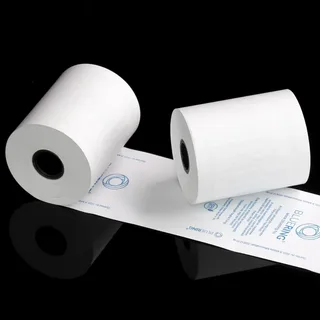
Thermal Paper for Fast, Clear and Reliable Business Printing
Thermal paper is widely used by businesses that need fast, clean, and dependable printing without relying on ink or toner. Related terms such as thermal receipt paper, POS paper rolls, direct thermal paper, and cash register paper are commonly used for products designed for checkout systems, card terminals, ticket machines, and other thermal printers. From restaurants and supermarkets to pharmacies, banks, warehouses, and service counters, choosing the right paper can improve print clarity, reduce interruptions, and support smoother day-to-day operations.
Why Thermal Printing Remains Popular
Business technology continues to change, yet thermal printing remains common because of its simplicity. A direct thermal printer creates text and images by applying controlled heat to a specially coated surface. Because the image develops directly on the paper, businesses do not need traditional ink cartridges, ribbons, or toner for this type of printing. This can make everyday printing easier to manage, particularly in busy environments where receipts need to be produced quickly.
Speed Matters During Customer Transactions
Imagine a busy restaurant or supermarket during peak hours. Every unnecessary delay at the checkout can increase waiting times. Thermal printers can produce receipts within seconds, helping staff complete transactions without waiting for ink to dry. The printed output can include prices, dates, transaction references, barcodes, and business information.
How Thermal Paper Produces an Image
The paper surface contains a coating designed to react when exposed to heat.
Tiny heating elements inside the printer activate selected areas while the paper passes beneath the printhead. Those areas become darker and form the required text or graphics.
The Printable Surface Is Important
Thermal rolls are generally designed to print on a particular coated side. If the paper is loaded incorrectly, the printer may continue feeding the roll while producing a blank receipt.
A Simple Way to Identify the Coated Side
Lightly scratching each side may help identify the heat-sensitive surface because the coated side can leave a darker mark. However, following the printer manufacturer’s loading instructions is always the safer approach.
Where Thermal Paper Is Used
Thermal printing supports a wide range of everyday business activities.
Retail stores depend on it for sales receipts and returns. Restaurants use it for customer bills, kitchen orders, and takeaway receipts. Payment terminals often produce transaction records on compact rolls. Other applications include parking tickets, queue systems, shipping labels, warehouse records, pharmacy receipts, and certain short-term identification labels. This flexibility explains why thermal printing remains useful even as businesses adopt more digital systems.
Choosing the Correct Paper Size
One of the most important purchasing decisions is selecting a roll that physically fits the printer.
Rolls can differ in width, diameter, paper length, thickness, and core size.
Common receipt widths include 57mm and 80mm, but these measurements should never be treated as universal.
Before ordering, businesses should check:
-
Printer model
-
Required paper width
-
Maximum roll diameter
-
Core dimensions
-
Recommended paper type
Buying the correct size helps prevent jams, loose feeding, or a printer cover that cannot close properly.
Print Quality Depends on More Than the Printer
Businesses sometimes blame the machine when receipts become pale or unclear. In reality, paper quality can also influence the final result.
A consistent thermal coating helps produce stronger contrast, while poor-quality material may create uneven text or excessive residue.
Barcodes Need Sharp Printing
Clear printing is particularly important when receipts include barcodes or QR codes. A poorly printed code can slow returns, inventory checks, order processing, or customer verification if scanners cannot read it properly.
Quality paper combined with a clean printhead can help maintain reliable scanning.
Storage Conditions Affect Paper Performance
Unlike ordinary office paper, thermal media can be affected by heat and other environmental conditions.
Unopened rolls should be stored somewhere cool and dry, away from direct sunlight.
Contact with oils, solvents, strong chemicals, or certain plastics can also affect the coated surface.
Protecting Bulk Orders
Businesses that purchase paper in larger quantities should keep unused stock inside its packaging until required.
It is also useful to rotate inventory so older boxes are used first instead of sitting in storage for long periods.
This approach can reduce unnecessary waste while helping maintain consistent printing quality.
Printer Maintenance Supports Better Results
Thermal printers require relatively little maintenance, but they should not be ignored completely.
Paper dust and residue can gradually collect around the printhead and feeding rollers.
Regular cleaning according to the manufacturer’s recommendations can improve print clarity and reduce feeding problems.
Damaged rolls should also be replaced rather than forced through the printer.
Signs the Printer May Need Attention
Repeated faded lines, uneven output, frequent jams, or poor paper feeding can indicate that cleaning or servicing is required.
Before replacing a printer, checking the thermal paper rolls, paper type, and printhead condition may solve the problem.
Buying Thermal Paper for High-Volume Use
Businesses that print large numbers of receipts often order paper in bulk.
Bulk purchasing can make stock management easier, but cost per roll should not be the only consideration.
Roll length, paper thickness, print quality, packaging, and supplier consistency all affect overall value.
A cheaper roll may contain less paper or require more frequent replacement, which can reduce the apparent savings.
Reducing Paper Waste
Thermal printing can also be managed more efficiently.
Businesses may review receipt layouts and remove unnecessary blank spaces or duplicate information.
Digital receipts can be offered where appropriate, while printed receipts remain available for customers who need them.
Small changes can make a meaningful difference when hundreds of transactions are completed each day.
Frequently Asked Questions
What Is Thermal Paper?
Thermal paper is specially coated material designed to produce an image when exposed to heat from a compatible thermal printer.
Does Thermal Paper Need Ink?
No. Direct thermal printers create the image using heat rather than conventional ink, toner, or ribbons.
Why Does Thermal Paper Fade?
Exposure to sunlight, heat, moisture, oils, and certain chemicals can gradually affect the printed surface.
Can Any Thermal Roll Fit Any Printer?
No. Width, roll diameter, core size, thickness, and paper type must match the printer specifications.
Is 80mm Thermal Paper Common?
Yes. Many countertop POS printers use 80mm rolls, but compatibility should always be checked before purchasing.
How Should Thermal Paper Be Stored?
Keep unused rolls in a cool, dry location away from sunlight, excessive heat, moisture, and chemicals.
Why Is My Thermal Printer Producing Blank Paper?
The roll may be loaded backwards, meaning the heat-sensitive side is not facing the printhead correctly.
For more articles and useful business information, click here to explore further industry news, printing insights, and technology updates.

 English
 Arabic
 French
 Spanish
 Portuguese
 Deutsch
 Turkish
 Dutch
Dutch
 Italiano
 Russian
 Romaian
 Greek
Greek
