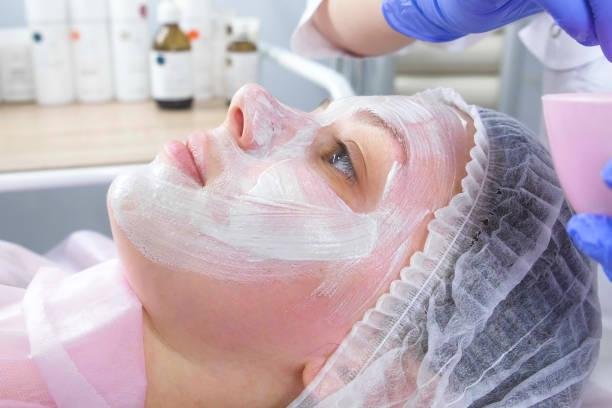
A glycolic acid peel can help improve dullness, uneven texture, superficial pigmentation, and the overall appearance of the skin through controlled exfoliation. However, what you do after treatment can influence how comfortably your skin recovers and how well you maintain the refreshed appearance. glycolic acid peel can provide noticeable skin-smoothing benefits when combined with suitable aftercare and a consistent skincare routine. Understanding the right post-treatment habits can help protect the skin barrier and reduce unnecessary irritation.
Keep Your Skincare Routine Gentle
After a glycolic acid peel, the skin may temporarily become more sensitive than usual. For this reason, a simple skincare routine is often preferable during the initial recovery period. Use gentle products recommended by your skincare professional and avoid introducing multiple new products at once.
Use a Mild Cleanser
Choose a gentle cleanser that does not contain harsh ingredients or strong fragrances. Cleanse without vigorous rubbing, scrubbing, or using rough washcloths. This can help remove impurities while minimizing unnecessary stress on freshly exfoliated skin.
Moisturize Regularly
A suitable moisturizer can help reduce dryness and tightness while supporting the skin barrier. Applying moisturizer as recommended can make the recovery period more comfortable and help maintain a soft, smooth appearance.
Protect Your Skin From the Sun
Sun protection is one of the most important parts of glycolic acid peel aftercare. Exfoliated skin can be more sensitive to UV exposure, and excessive sun exposure may contribute to irritation and unwanted pigmentation. Use broad-spectrum sunscreen and follow your practitioner's recommendations regarding sun exposure after treatment.
Apply Sunscreen Consistently
Use a broad-spectrum sunscreen as part of your daily skincare routine. Reapplication may be necessary depending on outdoor exposure and your activities. Consistent sun protection can also support long-term skin health beyond the recovery period.
Limit Direct Sun Exposure
Whenever possible, avoid prolonged direct sunlight during the initial recovery period. Wearing protective clothing and seeking shade can provide additional protection when spending time outdoors.
Avoid Harsh Exfoliation
Although glycolic acid already provides exfoliation, adding other exfoliating products too soon can increase irritation. Avoid physical scrubs, exfoliating brushes, and strong chemical exfoliants until your skin has recovered.
Pause Strong Active Ingredients
Some skincare ingredients may be irritating immediately after a peel. Depending on your skin and treatment, your practitioner may advise temporarily avoiding certain active ingredients. Follow personalized instructions rather than returning to your complete routine immediately.
Do Not Pick Peeling or Flaking Skin
Mild peeling or flaking can occur as the skin sheds surface cells. It is important to allow this process to happen naturally. Picking, scratching, or pulling at loose skin can cause additional irritation and may increase the risk of discoloration.
Let the Skin Renew Naturally
The skin's renewal process takes time. Instead of trying to speed up peeling through scrubbing or manual removal, focus on gentle cleansing, moisturizing, and sun protection. This allows the treated skin to recover without unnecessary interference.
Keep Your Skin Hydrated
Hydration is important for maintaining a healthy skin barrier during recovery. Drink adequate fluids and use a suitable moisturizer according to your practitioner's recommendations. Hydrated skin may feel more comfortable and look smoother as it recovers.
Choose Barrier-Supportive Products
Your skincare professional may recommend products designed to support the skin barrier. Avoid complicated routines during the early recovery period and prioritize products that your skin tolerates comfortably.
Avoid Excessive Heat and Irritation
Immediately following a peel, excessive heat may increase discomfort or redness for some people. Depending on the treatment, you may be advised to temporarily avoid activities that expose the skin to significant heat or sweating.
Be Careful With Exercise
Ask your practitioner when you can safely return to intense exercise. Heavy sweating and heat may feel uncomfortable while the skin is sensitive, so allowing adequate recovery time can be beneficial.
Keep Your Hands Away From Your Face
Touching the treated area frequently can transfer dirt and bacteria and may increase irritation. Try to avoid unnecessary touching, rubbing, or scratching, particularly if the skin feels dry or itchy during the recovery period.
Follow Your Practitioner's Instructions
Every person's skin responds differently to a glycolic acid peel. Treatment strength, skin type, sensitivity, and existing skincare concerns can all affect recovery. Glycolic Acid Peel in Riyadh should therefore be followed by aftercare guidance tailored to your individual treatment rather than relying entirely on general recommendations.
Use Recommended Products
Your practitioner may suggest specific cleansers, moisturizers, sunscreen, or other products for the recovery period. Using products that have been selected for your skin can help minimize irritation and support the desired outcome.
Attend Recommended Follow-Ups
If follow-up appointments are recommended, attending them allows your practitioner to assess how your skin is responding. They can also determine when it may be appropriate to resume certain products or consider additional treatments.
When Can You Return to Your Normal Skincare Routine?
The timing varies depending on the strength of the peel and your individual recovery. Some people can gradually return to their usual routine relatively soon, while others may need more time. Avoid restarting strong active ingredients simply because the skin looks better; follow your practitioner's specific instructions.
What Results Can Good Aftercare Support?
Appropriate aftercare can help the skin recover comfortably and maintain a smoother, brighter, and more refreshed appearance. It can also help reduce unnecessary irritation and protect the skin from environmental factors that may affect its appearance. Aftercare cannot guarantee a particular result, but it is an important part of responsible treatment.
Book an Appointment at Royal Clinic Saudia
If you are considering a professional peel and want personalized guidance on treatment and aftercare, Glycolic Acid Peel in Riyadh can be considered at Royal Clinic Saudia. A professional consultation can help assess your skin, discuss your goals, and provide aftercare recommendations suited to your individual needs.
FAQs:
Can I wash my face after a glycolic acid peel?
Yes, but use a gentle cleanser and avoid rubbing or scrubbing the treated skin.
Should I use sunscreen after a glycolic acid peel?
Yes, daily broad-spectrum sunscreen is important for protecting exfoliated skin from UV exposure.
Can I exfoliate after a glycolic acid peel?
Avoid additional exfoliation until your skin has recovered and your practitioner confirms it is appropriate.
What should I do if my skin starts peeling?
Do not pick or pull the skin. Let it shed naturally and keep the area gently moisturized.



 Portuguese

 English
 Arabic
 French
 Spanish
 Deutsch
 Turkish
 Dutch
Dutch
 Italiano
 Russian
 Romaian
 Portuguese (Brazil)
 Greek
Greek