


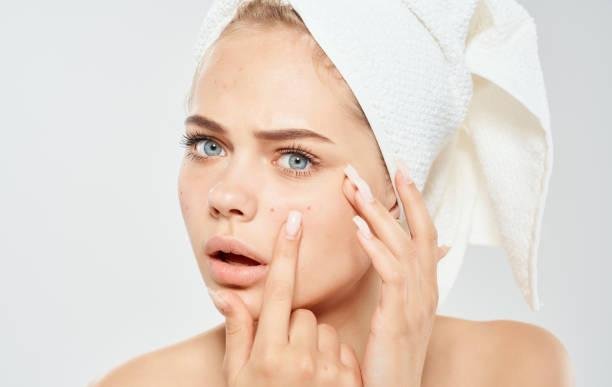
Acne is one of the most common skin conditions worldwide, affecting millions of people across all ages and genders. Acne Treatment in Riyadh While it is particularly prevalent among adolescents, adult acne—especially in women—is increasingly common, with studies showing that nearly 40% of patients in their 20s and almost half of adults in their 30s continue to experience breakouts . The emotional toll can be significant, often leading to reduced self-esteem, anxiety, and even depression. The good news is that achieving and maintaining clear skin is possible through a combination of professional care and daily habits that support skin health from the inside out.
The Four Pillars of Acne Management
Effective acne treatment is rarely about a single product or procedure. Instead, it requires a holistic approach that addresses multiple contributing factors. Experts in dermatology have identified four key areas that work together to create lasting results: skincare, mindset, nutrition, and lifestyle . When these pillars are consistently maintained, they form a foundation for clearer, healthier skin that can withstand the challenges of daily life.
Building a Skincare Routine That Works
A consistent, evidence-based skincare routine is the cornerstone of any successful acne strategy. Current clinical guidelines recommend that all acne regimens incorporate three essential components: a physiologic pH cleanser, an emollient with humectants and lipids, and a broad-spectrum SPF 50+ sunscreen . These products work together to restore the skin's barrier function, which is often disrupted in acne-prone skin. For those seeking Acne Treatment in Riyadh, dermatologists increasingly emphasize the importance of integrating medical-grade skincare with prescription therapies to improve both tolerability and outcomes .
The right cleanser should be soap-free and have a pH close to that of healthy skin (around 4.0-6.0), as an elevated skin pH can increase inflammation and compromise barrier integrity . Moisturizers containing niacinamide, ceramides, or hyaluronic acid help control sebum production while keeping the skin hydrated—a crucial balance, as over-drying can actually trigger more oil production. Sunscreen is non-negotiable, especially when using prescription acne treatments that can make skin more sensitive to UV damage and worsen post-inflammatory hyperpigmentation, a common concern in the MENA region where darker skin types are prevalent .
Nutrition: Feeding Your Skin from Within
The connection between diet and acne is increasingly supported by research. While the relationship is complex, certain dietary patterns have been linked to acne flare-ups. High-glycemic foods—such as white bread, sugary cereals, and processed snacks—can cause rapid spikes in blood sugar, leading to insulin surges that may stimulate oil glands to overproduce sebum . A diet rich in anti-inflammatory foods, including fruits, vegetables, lean proteins, and omega-3 fatty acids, can help reduce systemic inflammation that contributes to breakouts .
Interestingly, the gut-skin connection is gaining attention in dermatology. A healthy gut microbiome supports digestion, hormone regulation, and immune function—all of which influence skin health. Incorporating probiotics, fiber-rich foods, and staying well-hydrated can support this internal ecosystem. For patients in Saudi Arabia seeking Acne Treatment Saudi Arabia, dermatologists often recommend personalized dietary guidance alongside topical and systemic therapies to optimize results.
Lifestyle Habits That Protect Your Skin
Beyond diet and skincare, daily lifestyle choices play a significant role in acne management. Stress is a well-documented trigger, as it prompts the release of cortisol, a hormone that increases inflammation, stimulates oil production, and can worsen breakouts . Managing stress through regular exercise, adequate sleep, meditation, or simply taking time for hobbies is an essential part of any long-term plan. Sleep is equally critical—during deep sleep, the body performs cellular repair and collagen production, processes that are vital for healthy skin .
Practical habits also matter. Washing pillowcases frequently, avoiding heavy or pore-clogging makeup, and wearing breathable, clean workout clothes can reduce the buildup of bacteria and sweat that contribute to acne mechanica . For those in Riyadh, where high temperatures and humidity can exacerbate skin issues , adapting skincare and lifestyle habits to the local climate is particularly important.
The Role of Professional Guidance
While daily habits form the foundation, professional oversight is invaluable, especially for moderate to severe or persistent acne. Dermatologists can offer prescription treatments, including topical retinoids, antibiotics, or hormonal therapies, tailored to your specific skin type and concerns . Studies show that dermatologists are more likely than general practitioners to prescribe combination therapies and consider antibiotic resistance, highlighting the importance of specialist care . For those exploring professional options, many clinics in Riyadh offer advanced treatments like chemical peels and laser therapy alongside medical-grade skincare regimens.
For those seeking expert guidance and customized aesthetic care, you can book an appointment consultation at the Enfield Royal Clinic.
Frequently Asked Questions
What skincare products are essential for acne-prone skin?
A physiologic pH cleanser, a non-comedogenic moisturizer with humectants and lipids, and SPF 50+ sunscreen are the three essential products recommended by dermatology experts .
Can diet really affect my acne?
Yes. High-glycemic foods and dairy have been associated with acne flare-ups. Anti-inflammatory foods like fruits, vegetables, and omega-3-rich fish may help reduce breakouts .
How does stress cause acne breakouts?
Stress triggers cortisol release, which increases inflammation, stimulates oil production, and can worsen acne. Managing stress is a key part of long-term skin health .
Why is post-inflammatory hyperpigmentation more common in the MENA region?
Darker skin types (Fitzpatrick III-VI) are prevalent in the MENA region, making hyperpigmentation a frequent acne complication. Studies report PIH in up to 87% of acne patients in the region .
How long does it take to see results from a new acne routine?
Acne treatment is a marathon, not a sprint. Most consistent routines show meaningful improvement within 8-12 weeks, though full results may take several months .

 English
 French
 Spanish
 Portuguese
 Deutsch
 Turkish
 Dutch
Dutch
 Italiano
 Russian
 Romaian
 Portuguese (Brazil)
 Greek
Greek
