Vein problems often develop gradually, making it easy to overlook the early warning signs. While some people consider visible veins to be only a cosmetic concern, persistent symptoms such as pain, swelling, and heaviness may indicate an underlying vein condition that requires medical attention. Recognizing these signs early can help prevent complications and improve your overall vein health.
If you are considering Treatment of varicose veins in Riyadh (علاج دوالي الساقين الرياض), understanding the symptoms that may require professional evaluation is the first step toward protecting your circulation and improving your quality of life. Modern vein treatments offer safe, minimally invasive solutions that relieve discomfort and support healthier blood flow.
What Are Varicose Veins?
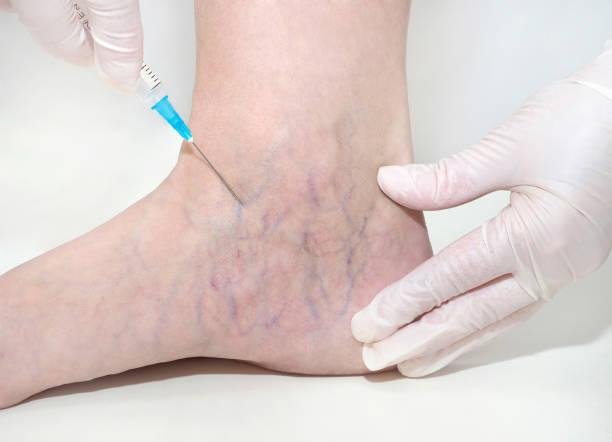
Varicose veins develop when the valves inside the veins become weak or damaged, allowing blood to pool instead of flowing efficiently back to the heart. As pressure builds, the veins become enlarged, twisted, and more visible beneath the skin.
Common characteristics include:
- Enlarged blue or purple veins.
- Twisted or bulging appearance.
- Leg discomfort.
- Swelling around the ankles.
- A feeling of heaviness.
Common Signs You May Need Vein Treatment
Recognizing these symptoms early can help you seek timely medical care.
Persistent Leg Pain
Ongoing aching, throbbing, or burning sensations in the legs may indicate poor vein function. Pain that worsens after standing or sitting for long periods should not be ignored.
Leg Heaviness and Fatigue
Many people with varicose veins experience heavy, tired legs, especially at the end of the day. This can make walking or standing for extended periods uncomfortable.
Swelling Around the Ankles
Frequent swelling in the lower legs or ankles may occur when blood does not circulate efficiently. Persistent swelling should be evaluated by a specialist.
Enlarged or Bulging Veins
Visible veins that become increasingly raised, twisted, or enlarged are one of the most recognizable signs of varicose veins.
Muscle Cramps
Nighttime leg cramps or frequent calf cramps may be associated with poor blood circulation caused by vein disease.
Itching or Burning Sensations
Persistent itching, burning, or irritation around the affected veins may indicate inflammation or worsening venous insufficiency.
Skin Color Changes
Darkening, redness, or brown discoloration around the ankles can be a sign that varicose veins are progressing and require medical attention.
Slow-Healing Skin Problems
In advanced cases, poor circulation may contribute to slow-healing wounds or skin ulcers near the ankles. Prompt medical evaluation is important if these symptoms develop.
Who Is More Likely to Need Vein Treatment?
Certain individuals have a greater likelihood of developing vein-related problems.
Family History
A genetic tendency increases the risk of varicose veins and chronic venous disease.
Pregnancy
Hormonal changes and increased pressure on the veins during pregnancy can contribute to vein enlargement.
Aging
Vein valves naturally weaken over time, increasing the risk of circulation problems.
Excess Body Weight
Additional body weight places greater pressure on the veins in the legs.
Prolonged Sitting or Standing
Occupations requiring long periods in one position may reduce healthy blood flow and contribute to vein problems.
Benefits of Seeking Treatment Early
Early intervention offers several advantages.
Improved Blood Circulation
Treating damaged veins helps restore healthier blood flow.
Relief from Symptoms
Many patients experience reduced pain, swelling, heaviness, and fatigue after treatment.
Prevention of Disease Progression
Addressing vein problems early can reduce the risk of more advanced complications.
Better Quality of Life
Improved comfort allows many people to return to normal activities with greater ease.
Modern Vein Treatment Options
Advances in vascular care have made treatment safer and more convenient than ever before.
Common minimally invasive treatments include:
Sclerotherapy
A specialized solution is injected into affected veins, causing them to close and gradually fade.
Endovenous Laser Therapy (EVLT)
Laser energy seals damaged veins while redirecting blood through healthier vessels.
Radiofrequency Ablation (RFA)
Radiofrequency energy gently closes affected veins with minimal discomfort and a quick recovery.
The most appropriate option depends on your symptoms, vein size, and overall health. Individuals exploring Treatment of varicose veins in Riyadh can benefit from a personalized treatment plan created by a qualified vein specialist.
When Should You Schedule a Consultation?
You should consider a professional evaluation if you experience:
- Persistent leg pain or heaviness.
- Frequent swelling around the ankles.
- Enlarged or painful veins.
- Skin discoloration or irritation.
- Nighttime muscle cramps.
- Symptoms interfering with daily activities.
Early diagnosis allows your specialist to recommend the most suitable treatment before the condition becomes more advanced.
Conclusion
Varicose veins often begin with mild symptoms that gradually worsen over time. Persistent pain, swelling, enlarged veins, skin changes, and leg fatigue are all signs that should not be ignored. Early medical evaluation can improve circulation, relieve discomfort, and help prevent future complications. If you notice these symptoms, discussing Treatment of varicose veins in Riyadh with an experienced specialist can help you receive the right care and maintain healthier veins for the future.
Book Your Appointment
If you are experiencing symptoms of varicose veins or would like a professional vein assessment, book a consultation at Royal Clinic Saudia. Our experienced specialists provide comprehensive evaluations and advanced minimally invasive treatments to help improve circulation, relieve discomfort, and support long-term vein health.
FAQs:
How do I know if I need treatment for varicose veins?
You should seek medical advice if you have persistent leg pain, swelling, enlarged veins, skin changes, or symptoms that affect your daily activities.
Are varicose veins always painful?
No. Some people have visible varicose veins without pain, but the condition can still progress and should be evaluated by a specialist.
Can untreated varicose veins become worse?
Yes. Without proper management, varicose veins may worsen over time and can lead to increased discomfort, skin changes, and other vein-related complications.
What happens during a vein evaluation?
A specialist will review your symptoms, examine your legs, and may perform an ultrasound to assess blood flow and determine the most appropriate treatment plan.



 Dutch
Dutch

 English
 Arabic
 French
 Spanish
 Portuguese
 Deutsch
 Turkish
 Italiano
 Russian
 Romaian
 Portuguese (Brazil)
 Greek
Greek