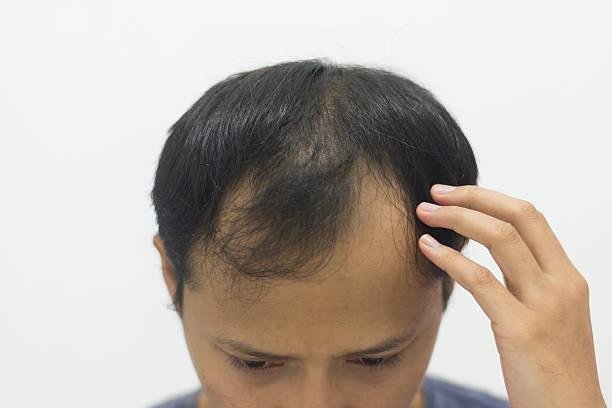
Hair thinning is one of the most common early signs of hair loss and can affect both men and women at different stages of life. It often starts subtly—wider part lines, reduced volume, or increased shedding—and gradually becomes more noticeable over time. Modern Hair Loss Treatment options are designed to target thinning hair at its root cause, helping improve density, strengthen follicles, and support healthier regrowth.
Choosing the right Hair Loss Treatment for thinning hair depends on identifying the underlying reason behind the condition. Since thinning can be triggered by genetics, hormonal imbalance, stress, or nutritional deficiencies, a tailored approach is essential to achieve the best possible results and maintain long-term hair health.
Understanding Thinning Hair
Thinning hair does not usually happen overnight. It develops gradually and can be reversed or managed effectively when addressed early.
Common Signs of Thinning Hair
- Gradual loss of hair volume
- Widening of the hair part
- Increased hair shedding during brushing
- Visible scalp in certain areas
- Weak or fine hair texture
Why Hair Becomes Thinner
Hair thinning occurs when hair follicles shrink or enter a weakened growth phase. This can result in:
- Reduced hair strand thickness
- Shortened growth cycles
- Slower regrowth rate
Causes of Thinning Hair
Understanding the cause is the first step in selecting the right treatment.
Genetic Factors
Hereditary hair loss is one of the leading causes of thinning hair and often follows a predictable pattern over time.
Hormonal Changes
Hormonal fluctuations can disrupt the natural hair growth cycle, especially in:
- Men with DHT sensitivity
- Women during pregnancy or menopause
- Individuals with thyroid imbalance
Nutritional Deficiencies
Lack of essential nutrients can weaken hair structure and slow growth.
Important nutrients include:
- Iron
- Protein
- Zinc
- Biotin
- Vitamin D
Stress and Lifestyle
High stress levels and unhealthy routines can trigger temporary or long-term hair thinning.
Best Non-Surgical Treatments for Thinning Hair
Non-surgical options are often the first line of treatment for early and moderate hair thinning.
Topical Treatments
These are applied directly to the scalp to stimulate follicles and improve hair strength.
Benefits include:
- Easy daily use
- Supports hair growth cycles
- Helps reduce shedding
Oral Medications
Certain medications help regulate hormonal factors linked to hair thinning.
They may:
- Slow down hair loss progression
- Support thicker regrowth
- Maintain existing hair
Platelet-Rich Plasma (PRP) Therapy
PRP is a widely used regenerative Hair Loss Treatment that uses growth factors from the patient’s own blood.
Benefits include:
- Improves follicle activity
- Enhances hair thickness
- Supports natural regrowth
- Minimal downtime
Exosome Therapy
Exosome treatment is an advanced regenerative option that helps improve scalp health and follicle signaling.
It may:
- Encourage new hair growth
- Strengthen weak follicles
- Improve overall hair density
Low-Level Laser Therapy (LLLT)
Laser therapy uses light energy to stimulate hair follicles and improve blood circulation in the scalp.
Benefits include:
- Non-invasive procedure
- Enhances follicle activity
- Improves hair strength and density
Best Surgical Option for Advanced Thinning
When thinning becomes more advanced, surgical solutions may be considered.
Hair Transplantation
Hair transplantation involves moving healthy follicles from donor areas to thinning regions.
Key advantages:
- Natural-looking results
- Permanent hair growth
- Improved hairline and coverage
- Long-term solution for advanced thinning
Lifestyle Support for Better Hair Results
Lifestyle changes play an important role in improving treatment outcomes.
Nutrition for Hair Strength
A healthy diet supports stronger and thicker hair.
Focus on:
- Lean protein
- Fresh fruits and vegetables
- Whole grains
- Healthy fats
- Adequate hydration
Stress Management
Reducing stress helps prevent further hair weakening.
Helpful habits include:
- Regular exercise
- Meditation
- Proper sleep routine
- Relaxation techniques
Proper Hair Care Routine
Gentle care prevents additional damage to thinning hair.
Best practices:
- Avoid harsh chemicals
- Reduce heat styling
- Use mild shampoos
- Avoid tight hairstyles
How to Choose the Right Treatment
The best Hair Loss Treatment for thinning hair depends on individual needs.
Key Factors to Consider
- Cause of hair thinning
- Severity of hair loss
- Age and health condition
- Treatment goals
- Lifestyle compatibility
A professional consultation helps create a personalized plan for optimal results.
What Results Can You Expect?
Results vary depending on treatment type and consistency.
Possible Improvements
- Reduced hair shedding
- Increased hair thickness
- Better scalp coverage
- Healthier hair texture
- Improved overall density
Hair regrowth is gradual and requires patience and consistent care.
Conclusion
Thinning hair can be effectively managed with the right combination of treatments, lifestyle changes, and early intervention. Modern Hair Loss Treatment options offer both non-surgical and surgical solutions that help restore hair density and improve scalp health. With proper diagnosis and a personalized approach, it is possible to slow down hair thinning and achieve healthier, fuller-looking hair over time.
Book Your Consultation Today
If you are experiencing thinning hair and want expert guidance, the specialists at Royal Clinic Saudia can help. Schedule a consultation to receive a personalized evaluation and discover the most effective treatment plan tailored to your hair restoration needs.
FAQs:
What is the best treatment for thinning hair?
The best treatment depends on the cause and severity, but options like PRP therapy, medications, and topical solutions are commonly effective for early stages.
Can thinning hair grow back naturally?
Yes, in many cases, hair can regrow if the follicles are still active and the underlying cause is treated early.
How long does treatment take to show results?
Most treatments require several months of consistent use before visible improvements appear.
Is hair transplant a good option for thinning hair?
Yes, for advanced cases, hair transplantation can provide permanent and natural-looking results.

 Greek
Greek
 English
 Arabic
 French
 Spanish
 Portuguese
 Deutsch
 Turkish
 Dutch
Dutch
 Italiano
 Russian
 Romaian
 Portuguese (Brazil)