The Basics of Fractional CO2 Laser Skin Resurfacing
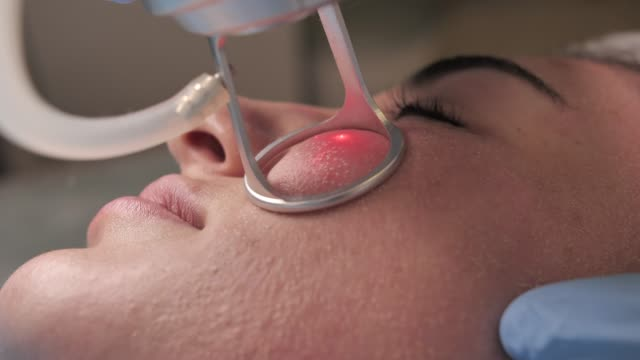
Modern dermatology has introduced several advanced techniques to improve skin quality, and among the most effective is the Fractional CO2 Laser, a treatment widely used for resurfacing damaged skin and stimulating natural regeneration. This procedure is designed to target concerns such as wrinkles, scars, pigmentation, and uneven texture by creating controlled micro-injuries that trigger the body’s healing response. Unlike superficial skincare treatments, it works deeper within the skin layers, promoting long-term improvements rather than temporary results. Understanding the basics of this procedure helps patients make informed decisions and set realistic expectations before undergoing treatment.
What Fractional CO2 Laser Means:
Fractional skin resurfacing is a technique that uses carbon dioxide laser energy to treat only a fraction of the skin at a time instead of the entire surface. This approach allows for effective skin renewal while minimizing damage and reducing recovery time. It is considered a balance between aggressive resurfacing and safe, controlled healing, making it a widely adopted option in cosmetic dermatology.
- Treats microscopic sections of damaged skin
- Leaves surrounding tissue intact for faster healing
- Stimulates collagen and elastin production
- Improves both surface and deeper skin layers
- Allows adjustable intensity based on skin condition
This fractional approach is what makes the treatment both effective and safer compared to older laser technologies.
How the Skin Responds to Treatment:
The treatment works by creating controlled thermal zones in the skin, which activate the body’s natural repair system. These micro-injuries are not harmful but are intentionally created to stimulate collagen production and skin regeneration. As the skin heals, damaged cells are replaced with healthier, smoother tissue.
- Laser creates tiny columns of controlled damage
- Surrounding skin supports rapid healing
- Collagen production increases over time
- New skin cells replace damaged layers
- Gradual improvement becomes visible over weeks
This biological healing response is the foundation of skin resurfacing effectiveness.
Common Skin Concerns Treated:
One of the main advantages of this procedure is its ability to address a wide variety of skin concerns. It is suitable for both cosmetic enhancement and corrective dermatology, making it a versatile treatment option.
- Acne scars and post-inflammatory marks
- Fine lines and early wrinkles
- Sun damage and uneven pigmentation
- Enlarged pores and rough skin texture
- Mild skin laxity and dull complexion
Because it targets multiple concerns at different depths, it is often included in comprehensive skincare plans.
What Happens During the Procedure:
The procedure is performed in a clinical setting under professional supervision to ensure safety and comfort. Before starting, the skin is cleansed and a numbing agent is applied. The laser device is then used in a controlled pattern across the treatment area.
- Skin is cleaned and prepared before treatment
- Topical anesthetic reduces discomfort
- Protective eyewear is provided for safety
- Laser is applied in precise fractional patterns
- Mild warmth or tingling sensation may occur
The session typically lasts between 30 minutes and one hour depending on the area being treated.
Recovery and Healing Process:
Recovery is an important part of the resurfacing journey, as the skin undergoes natural regeneration after controlled injury. Healing occurs in stages, and visible improvements develop gradually over time.
- Redness and swelling appear immediately after treatment
- Skin may feel sensitive or tight for several days
- Peeling occurs as damaged skin sheds naturally
- New skin becomes visible within 1–2 weeks
- Collagen continues improving skin for months
Proper aftercare significantly influences the speed and quality of recovery.
Benefits of Skin Resurfacing:
The treatment provides both short-term and long-term benefits, making it a popular choice for individuals seeking noticeable skin improvement without surgery. Results continue to improve as collagen production increases over time.
- Smoother and more even skin texture
- Reduction in scars and fine lines
- Improved skin tone and brightness
- Enhanced firmness and elasticity
- Long-lasting rejuvenation effects
These benefits contribute to its strong reputation in aesthetic dermatology.
Aftercare and Skin Protection:
Aftercare is essential to ensure proper healing and maximize results. Since the skin becomes temporarily sensitive, gentle care and protection are necessary during the recovery phase.
- Use mild, fragrance-free skincare products
- Apply sunscreen daily after healing begins
- Avoid direct sun exposure during recovery
- Keep skin moisturized to support healing
- Avoid picking or scrubbing peeling skin
Following these steps helps prevent complications and improves final outcomes.
Who Should Consider This Treatment:
This procedure is suitable for individuals seeking long-term improvement in skin texture, tone, and overall appearance. However, a professional consultation is necessary to determine suitability based on skin type and medical history.
- Individuals with acne scars or uneven texture
- People experiencing fine lines and early aging signs
- Those with sun-damaged or pigmented skin
- Patients seeking non-surgical skin rejuvenation
- Individuals with realistic expectations about results
A dermatologist evaluates each case to ensure safe and effective treatment planning.
Final Thoughts:
Skin resurfacing is a foundational procedure in modern dermatology that offers gradual, natural-looking improvements in skin quality. With its ability to stimulate collagen production and support controlled healing, it provides a reliable solution for a wide range of skin concerns. When performed by trained professionals and supported with proper aftercare, it remains one of the most effective methods for achieving smoother, healthier, and rejuvenated skin over time.
 Deutsch
 English
 Arabic
 French
 Spanish
 Portuguese
 Turkish
 Dutch
Dutch
 Italiano
 Russian
 Romaian
 Portuguese (Brazil)
 Greek
Greek