


How Healthcare Professionals Keep Home IV Glucose Therapy Safe
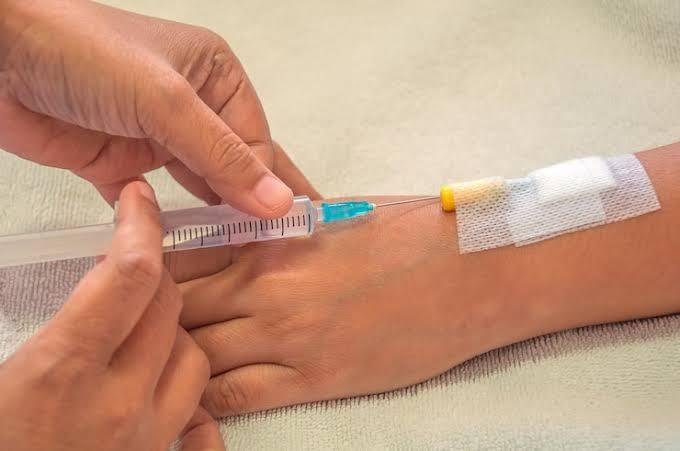
Choosing Glucose Drip at Home in Dubai can provide convenience when intravenous glucose therapy is medically appropriate and professionally supervised. A Doctor at Home can evaluate the patient's symptoms, medical history, medications, and overall condition before treatment begins. However, IV glucose is a medical procedure that requires careful preparation, administration, and monitoring. Healthcare professionals follow several safety measures to reduce complications, ensure the treatment is appropriate, and respond quickly if a patient develops an unexpected reaction. Understanding these precautions can help patients make informed decisions about home-based IV therapy.
What Is Home IV Glucose Therapy?:
Home IV glucose therapy involves administering a glucose-containing intravenous solution through a catheter inserted into a vein while the patient remains at home. Depending on the patient's clinical needs, glucose-containing fluids may be used in specific situations, including certain cases involving low blood glucose or when intravenous fluid therapy is medically indicated. The solution, concentration, volume, and administration rate should be selected according to the patient's condition rather than used as a standard treatment for fatigue or general wellness. Because the fluid enters the bloodstream directly, qualified healthcare professionals must assess the patient and follow appropriate clinical procedures throughout the treatment.
Why Is a Medical Assessment Needed First?:
Before starting IV glucose therapy, healthcare professionals assess whether the treatment is actually necessary and appropriate for the individual. Symptoms such as weakness, dizziness, fatigue, nausea, or dehydration can have many different causes, and administering glucose without identifying the underlying problem may not provide the appropriate treatment. The clinician may review the patient's symptoms, medical history, current medications, allergies, blood glucose status when clinically relevant, and other health factors. This assessment helps determine whether IV glucose is appropriate, whether another type of fluid would be better, or whether the patient needs further evaluation in a medical facility.
How Do Professionals Check Patient Eligibility?:
Not every patient is an appropriate candidate for home IV glucose therapy. Healthcare professionals consider conditions that could affect glucose metabolism, fluid balance, or the safety of intravenous treatment. Particular attention may be given to patients with diabetes, kidney problems, heart conditions, pregnancy, or complex medication regimens. The clinician also considers the severity of symptoms and whether the home setting provides an appropriate level of care. Important factors may include:
- The patient's current symptoms and their severity.
- Relevant medical and surgical history.
- Current medications and known allergies.
- Blood glucose measurements when medically indicated.
- Hydration and fluid status.
- Kidney and cardiovascular considerations.
- Previous reactions or complications involving IV treatment.
This screening process helps prevent unnecessary or potentially unsuitable treatment.
How Is the Correct IV Solution Selected?:
Choosing the appropriate IV solution is an important part of safe treatment. Glucose-containing solutions are available in different formulations and concentrations, and the correct choice depends on the patient's clinical circumstances. Healthcare professionals should determine whether glucose is actually indicated and select an appropriate solution rather than assuming that every patient needs the same formulation. The amount of fluid and its administration rate also need to be considered. Individualized selection is particularly important for people who may be sensitive to changes in blood glucose or fluid volume.
How Do Professionals Maintain Infection Control?:
Infection prevention is one of the most important aspects of home IV therapy. Healthcare professionals use appropriate hand hygiene, protective measures, sterile or properly packaged equipment, and suitable catheter-insertion techniques to reduce the risk of introducing microorganisms into the bloodstream. The IV site should be prepared and monitored carefully, and equipment should be handled according to appropriate clinical protocols. Patients should never attempt to insert or manage an IV catheter without proper training. Good infection-control practices are essential even when treatment is being provided in a home rather than a hospital environment.
How Is the IV Catheter Inserted Safely?:
A qualified healthcare professional selects an appropriate vein and inserts the IV catheter using proper technique. The insertion site is checked before, during, and after the procedure for signs of discomfort, swelling, redness, bleeding, or leakage. If the catheter is not functioning correctly or the patient experiences significant pain, the clinician can assess the site and take appropriate action. Correct catheter placement and securement help reduce the risk of complications such as infiltration, irritation, or accidental displacement during treatment. Patients should immediately report burning, increasing pain, swelling, or unusual sensations around the IV site.
How Are Blood Glucose Levels Monitored?:
Monitoring blood glucose is particularly important when a patient has diabetes, symptoms suggestive of abnormal glucose levels, or another clinical reason for glucose monitoring. Healthcare professionals determine whether a glucose measurement is necessary before or during treatment based on the patient's condition. Monitoring helps the clinician make informed decisions about whether glucose-containing IV therapy is appropriate and whether treatment should continue. Patients should not assume that an IV glucose solution is automatically beneficial simply because they feel weak or tired. The goal is to provide treatment that matches the patient's actual medical needs.
How Do Professionals Monitor the Patient During Treatment?:
Patient monitoring continues after the IV has been started. Healthcare professionals observe the patient for changes in symptoms, discomfort at the IV site, unexpected reactions, and other signs that may indicate a problem. Depending on the patient's condition, monitoring may include vital signs and other relevant clinical observations. Patients should communicate immediately if they experience dizziness, nausea, headache, discomfort, shortness of breath, chest discomfort, or unusual symptoms. Early recognition allows the healthcare professional to stop or modify the infusion and determine whether additional medical evaluation is necessary.
How Are Potential IV Complications Managed?:
Although appropriate precautions can reduce risk, IV therapy can still cause complications. Common concerns include bruising, vein irritation, swelling, infiltration, or infection at the catheter site. More significant symptoms may require immediate medical attention. Healthcare professionals are trained to recognize problems and take appropriate action, such as stopping the infusion, assessing the IV site, removing or replacing the catheter when necessary, or arranging further medical care. Patients should understand that worsening pain, significant swelling, increasing redness, breathing difficulty, fainting, or other serious symptoms should never be ignored during or after an infusion.
How Are Medication and Medical History Considered?:
A patient's medical history and medication list can influence the safety of glucose IV therapy. Certain medicines may affect blood glucose, fluid balance, blood pressure, or kidney function. Healthcare professionals therefore need accurate information before treatment begins. Patients should disclose:
- Prescription medications.
- Over-the-counter medicines.
- Relevant supplements.
- Diabetes treatments.
- Known medication or solution allergies.
- Kidney, heart, or metabolic conditions.
- Previous reactions to IV treatment.
Providing complete information helps the clinician identify potential risks and determine whether adjustments or additional monitoring are required.
What Happens If a Patient Is Not Suitable?:
A responsible healthcare professional should not proceed with home IV glucose therapy simply because an appointment has been scheduled. If the assessment indicates that glucose is unnecessary, potentially unsafe, or unlikely to address the patient's symptoms, the clinician may recommend an alternative approach. This could involve oral fluids, dietary measures, medical testing, follow-up with a healthcare provider, or referral to a hospital or emergency service. Severe symptoms may require a higher level of care where diagnostic equipment and continuous monitoring are available. Knowing when not to administer treatment is an important part of safe healthcare.
What Should Patients Do Before Home IV Therapy?:
Patients can contribute to safer treatment by providing accurate health information and following the clinician's instructions. Before an appointment, explain the reason for seeking IV therapy and mention any symptoms that have developed or worsened. Keep a current list of medications available and disclose relevant medical conditions. Patients should also ask questions about the proposed treatment, including why glucose is being recommended, what solution will be administered, who will provide the treatment, and what warning signs require immediate attention. Clear communication between the patient and healthcare professional supports informed and safer care.
Why Is Professional Supervision Essential?:
Professional supervision helps ensure that IV glucose is used for an appropriate medical purpose and administered using suitable techniques. A qualified clinician can evaluate the patient before treatment, select the appropriate solution, monitor the infusion, recognize complications, and determine when additional care is necessary. This level of oversight is particularly valuable for individuals with chronic conditions or symptoms that have not yet been diagnosed. Home treatment can offer comfort and convenience, but those advantages should never come at the expense of clinical assessment and patient safety.
Final Thoughts
Safe home IV glucose therapy depends on much more than simply connecting an IV bag. Healthcare professionals help reduce risks by assessing the patient beforehand, reviewing medical history and medications, selecting an appropriate solution, maintaining infection-control standards, inserting the catheter correctly, and monitoring the patient throughout treatment. Glucose Drip at Home in Dubai can be a convenient option when clinically appropriate, but it should always be approached as a medical treatment rather than a routine wellness procedure. Patients can further support their safety by providing complete health information, asking questions, and promptly reporting unusual symptoms during or after the infusion.

 Arabic
 French
 Spanish
 Portuguese
 Deutsch
 Turkish
 Dutch
Dutch
 Italiano
 Russian
 Romaian
 Portuguese (Brazil)
 Greek
Greek
