


Deemak Control in Lahore How to Protect Your Home and Property from Termite Damage
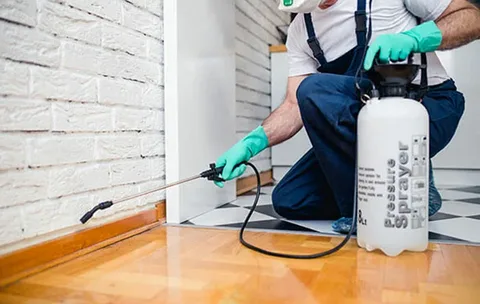
Deemak is a serious problem for homes, offices, shops, and other properties. These small insects can damage wood slowly and often remain hidden for a long time. This is why deemak control in Lahore has become an important topic for property owners who want to protect wooden furniture and building structures.
Termites feed on cellulose, which is present in wood, paper, cardboard, and similar materials. Once termites enter a property, they may spread through hidden areas such as walls, floors, door frames, and underground spaces.
This article explains the common causes of termite infestation, warning signs, prevention methods, and effective approaches to termite management in Lahore and across Pakistan.
What Causes Deemak in Homes?
Termites need suitable conditions to survive and find food. A property with moisture problems and accessible wooden materials may face a higher risk of infestation.
Common causes include:
- Water leakage from pipes
- Damp walls and floors
- Poor ventilation
- Wood in contact with soil
- Untreated wooden furniture
- Cracks in walls and foundations
- Poor drainage around the property
- Old wooden doors and frames
- Cardboard or wood waste in storage areas
Deemak can enter through very small gaps. In many cases, property owners do not notice the problem until visible damage has already occurred.
Common Signs of a Termite Infestation
Early detection is important for effective termite control in Lahore. Regular inspections can help identify warning signs before the damage becomes severe.
Hollow or Weak Wood
Termites may eat wood from the inside. The outer surface can appear normal while the inside becomes weak. If a wooden object sounds hollow when tapped, it may need inspection.
Mud Tubes on Walls
Some termites build narrow mud tubes to move safely between the ground and their food source. These tubes may appear near:
- Walls
- Foundations
- Corners
- Wooden structures
- Floor edges
Mud tubes can be an important sign of termite activity.
Damaged Door Frames and Furniture
Doors, cabinets, cupboards, and furniture may become weak over time. You may notice cracks, thin surfaces, or damaged sections.
Discarded Wings
Flying termites may shed their wings after finding a place to establish a colony. A large number of similar wings near windows, doors, or lights can indicate termite activity.
Tight Doors and Windows
Damaged or moisture-affected wooden frames can sometimes make doors and windows difficult to operate. This sign does not always mean termites are present, but it may justify further inspection.
Why Deemak Control Is Important in Lahore
Lahore has many residential and commercial properties that use wooden doors, cabinets, furniture, and other wood-based materials. Moisture from plumbing leaks, seasonal weather, poor drainage, or damp areas can increase the chances of pest problems.
Termites can damage a property gradually. Because the insects often stay hidden, waiting until major damage appears can make the problem more difficult to manage.
A good deemak control strategy focuses on three main areas:
- Detecting termite activity early
- Removing conditions that support termites
- Using an appropriate treatment method when needed
How to Prevent Deemak in Your Home
Prevention can reduce the risk of termite damage. Property owners should focus on moisture control and regular maintenance.
Fix Water Leaks Quickly
Check bathrooms, kitchens, roofs, water pipes, and drainage systems. Repair leaks as soon as possible to prevent damp conditions.
Keep Wooden Materials Away from Soil
Do not leave timber, wooden waste, or firewood directly on the ground for long periods. Store wooden materials in a dry location whenever possible.
Improve Ventilation
Poorly ventilated areas can remain damp. Ensure that kitchens, bathrooms, basements, storage rooms, and other enclosed spaces receive suitable airflow.
Remove Unnecessary Cardboard and Wood Waste
Old boxes and wood waste can provide termites with food and shelter. Keep storage areas clean and dry.
Inspect Your Property Regularly
Check wooden areas every few months. Pay special attention to:
- Door frames
- Window frames
- Kitchen cabinets
- Wooden flooring
- Furniture
- Roof structures
- Store rooms
Regular inspection helps identify changes early.
Different Methods Used for Deemak Control
The right termite treatment depends on where the infestation is located and how far it has spread.
Soil-Based Termite Treatment
Some termite management methods focus on treating areas of soil where termites may travel. This approach can be relevant when termites are entering from the ground.
Proper assessment of the building and termite pathways is important before using this method.
Wood Protection and Treatment
Wood treatment may help protect vulnerable wooden materials. The method can vary depending on whether the wood is new, exposed, painted, installed, or already damaged.
Treating only one visible wooden item may not solve the full problem if termites are also active elsewhere.
Localized Treatment
A localized approach focuses on a specific area where termite activity has been found. It may be used for limited infestations involving furniture, door frames, or other isolated wooden materials.
A broader inspection can still help rule out hidden termite activity.
Pre-Construction Anti-Termite Measures
Termite prevention can also begin before a building is completed. Planning during construction can help reduce future termite entry points.
Important factors include:
- Proper drainage
- Moisture management
- Foundation protection
- Suitable treatment of vulnerable areas
- Correct storage of wood during construction
Can You Control Deemak Yourself?
Small preventive steps can be handled through regular property maintenance. For example, you can repair leaks, improve ventilation, remove damp cardboard, and inspect wooden structures.
However, hidden termite infestations can be difficult to assess without a detailed inspection. Simply killing visible termites may not remove the full source of the problem.
Avoid repeatedly applying chemicals without understanding where termites are coming from. Always read and follow pesticide safety instructions carefully.
A successful approach should focus on the full infestation rather than only the insects that are visible.
A Simple Deemak Control Checklist
Use this checklist to reduce termite risk:
- Inspect wooden furniture regularly
- Check for hollow-sounding wood
- Look for mud tubes
- Repair leaking pipes
- Control dampness
- Improve ventilation
- Keep wood away from soil
- Remove unnecessary cardboard
- Check foundations and wall cracks
- Monitor areas with previous termite activity
These steps can support long-term termite prevention in Pakistan.
Deemak Problems Across Pakistan
Although many people search specifically for deemak control in Lahore, termites can affect properties in different parts of Pakistan. Climate, humidity, moisture levels, construction practices, and the amount of wood used in a property can all influence termite risk.
Homeowners in cities and towns across Pakistan should not wait for obvious damage before thinking about prevention. Regular maintenance and moisture control remain important regardless of location.
Each property is different. An older building with damp walls may face different risks than a newly constructed property with good drainage and protected wooden structures.
When Should You Take a Termite Problem Seriously?
You should investigate the issue quickly if you notice repeated signs of termite activity. These signs may include multiple mud tubes, widespread wood damage, recurring winged termites, or damage appearing in several parts of the property.
The longer termites remain active, the greater the chance of additional damage. Early inspection and appropriate action can help protect furniture and building materials.
Conclusion
Effective deemak control in Lahore requires more than removing visible termites. Property owners should identify possible sources of moisture, inspect wooden materials, watch for warning signs, and take preventive action.
Across Pakistan, termites can damage homes and commercial properties when conditions allow them to survive and spread. Regular maintenance, early detection, and a suitable termite control approach can help reduce the risk of long-term property damage.
Frequently Asked Questions
The following FAQs provide quick answers to common questions about deemak and termite control. They explain how to identify termite activity, prevent infestations, and understand the importance of early action.
What is deemak?
Deemak is the common term for termites. These insects feed on cellulose-based materials, including wood, paper, and cardboard.
What is the first sign of a termite infestation?
Common early signs include mud tubes, hollow-sounding wood, discarded wings, and hidden damage to wooden structures.
How can I prevent deemak in my house?
Control moisture, repair leaks, keep wood away from soil, improve ventilation, remove unnecessary cardboard, and inspect wooden areas regularly.
Can termites damage furniture?
Yes. Termites can feed inside wooden furniture and weaken it over time, often before major external damage becomes visible.
Is termite control needed only in Lahore?
No. Termite problems can occur across Pakistan. The risk depends on factors such as moisture, climate, building conditions, and the presence of wood.
Whenever I write articles through ChatGPT, I ensure the content incl

 Arabic
 French
 Spanish
 Portuguese
 Deutsch
 Turkish
 Dutch
Dutch
 Italiano
 Russian
 Romaian
 Portuguese (Brazil)
 Greek
Greek