


Deemak Control in Lahore Causes, Signs, Prevention and Treatment Across Pakistan
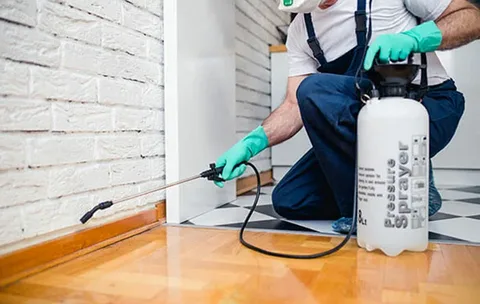
Deemak, also known as termites, can cause serious damage to homes, offices, shops, wooden furniture, and other structures. The need for deemak control in Lahore is common because termites can remain hidden for a long time while feeding on wood and other cellulose-based materials.
However, termite problems are not limited to Lahore. Homes and commercial properties across Pakistan can face similar risks. Cities with warm conditions, seasonal humidity, and buildings containing untreated wood may provide suitable conditions for termite activity.
This guide explains what deemak is, why it appears, how to identify an infestation, and what steps can help prevent and control termites. The information applies to property owners throughout Pakistan.
What Is Deemak and Why Is It a Problem?
Deemak is the common Urdu term for termites. Termites are small insects that feed mainly on cellulose. Cellulose is found in materials such as:
- Wood
- Paper
- Cardboard
- Wooden doors and frames
- Cabinets
- Books
- Some building materials containing wood
Termites often work inside wood, walls, floors, or underground areas. This makes an infestation difficult to detect during its early stages.
The main problem is that termites can gradually weaken wooden materials. A long-term infestation may damage furniture, doors, cupboards, flooring, and structural wood components.
For this reason, early termite control is important. Regular inspection can help property owners identify signs before the damage becomes extensive.
Why Do Properties in Lahore and Pakistan Get Deemak?
Several conditions can increase the risk of termite activity. Lahore and other parts of Pakistan experience warm temperatures for significant parts of the year. Moisture and suitable food sources can also support termite activity.
Common Causes of Deemak Infestation
Termites may enter or develop around a property because of:
- Moisture around foundations
- Water leakage from pipes
- Damp walls
- Untreated wooden furniture
- Wood stored directly on soil
- Cracks in floors or walls
- Poor drainage around a building
- Old or damaged wooden structures
- Cardboard and wood waste stored for long periods
Termites do not always become visible immediately. They may travel through hidden spaces and feed inside wooden objects. Therefore, a property can have a termite problem even when no insects are seen openly.
Signs That You May Have a Deemak Problem
Identifying termite activity early can reduce potential damage. Property owners should inspect areas where wood and moisture are present.
1. Hollow-Sounding Wood
Tap wooden doors, furniture, frames, or cabinets. Termite-damaged wood may sound hollow because insects can consume material from the inside.
2. Mud Tubes
Some termites create narrow mud tubes to travel between the soil and a food source. These tubes may appear near walls, foundations, corners, or other hidden areas.
3. Damaged or Weak Wood
Wood affected by termites may become weak, thin, cracked, or easy to break. Damage may remain hidden beneath the surface.
4. Small Wings Near Windows or Doors
Flying reproductive termites may shed their wings after swarming. Finding many similar-sized wings in one area can indicate termite activity nearby.
5. Tight Doors or Windows
Moisture and termite damage can sometimes affect wooden frames. Doors and windows may become difficult to open or close.
6. Small Holes or Surface Damage
Some affected wooden surfaces may develop holes, tunnels, or unusual patterns. However, visible holes alone do not confirm termites because other insects can also damage wood.
If several signs appear together, a careful termite inspection is advisable.
How to Prevent Deemak in Homes and Buildings
Prevention plays an important role in deemak control in Lahore and throughout Pakistan. Removing favorable conditions can reduce the chance of an infestation.
Control Moisture
Termites often benefit from damp conditions. Property owners should:
- Repair leaking pipes
- Fix roof leaks
- Address damp walls
- Improve drainage
- Avoid standing water near foundations
- Keep bathrooms and kitchens properly ventilated
Keep Wood Away From Soil
Avoid placing wooden materials directly on soil for long periods. Firewood, timber, and wooden waste should be stored carefully and inspected regularly.
Reduce Unnecessary Wood and Cardboard
Old cardboard boxes, paper waste, and unused wood can provide food and shelter for termites. Keep storage areas clean and avoid allowing these materials to accumulate in damp locations.
Inspect Wooden Items Regularly
Check:
- Door frames
- Window frames
- Cabinets
- Wooden flooring
- Furniture
- Roof structures
- Storage rooms
Regular inspection is especially useful for older buildings and properties with a history of moisture problems.
Deemak Control Methods: What Options Are Available?
The right termite treatment depends on the type of infestation, affected area, building design, and extent of damage.
Soil Treatment
Soil treatment focuses on creating a treated zone around or beneath parts of a building where termites may travel through the ground. It is commonly considered during construction or when addressing certain existing infestations.
A proper approach requires attention to the building structure and the suspected termite entry points.
Wood Treatment
Wood treatment can help protect certain wooden components from termite attack. The method used depends on whether the wood is new, exposed, painted, already installed, or damaged.
Treatment alone may not solve the entire problem if termites are entering from another location. The source and pathways of infestation also need attention.
Localized Treatment
Localized treatment focuses on a specific affected area, such as a piece of furniture, door frame, or section of a structure.
This approach may be suitable for limited infestations. However, hidden termite activity elsewhere should also be considered.
Pre-Construction Termite Prevention
Pre-construction termite management involves planning protection before or during building work. It can reduce future risk by addressing areas where termites may gain access.
Builders and property owners should also consider moisture control, drainage, suitable construction practices, and protection of wooden materials.
Why DIY Deemak Control May Not Always Work
Many people try household sprays or surface treatments when they first notice termites. These methods may kill insects that are visible, but they may not reach the hidden colony or the main areas of activity.
Termites can live or travel inside:
- Walls
- Floors
- Wooden frames
- Underground spaces
- Cracks and gaps
For this reason, simply spraying visible insects may not provide complete termite control.
Before using any pesticide, read the label carefully and follow all safety instructions. Keep children and pets away from treatment areas when required. For large, hidden, or repeated infestations, a detailed inspection is usually more useful than repeated surface spraying.
A Practical Step-by-Step Approach to Termite Control
Property owners can follow these steps when they suspect deemak:
- Identify possible signs such as mud tubes, hollow wood, wings, or hidden damage.
- Check moisture sources including leaking pipes, damp walls, and poor drainage.
- Inspect nearby wooden materials and storage areas.
- Avoid disturbing evidence immediately if an inspection is needed, as this can make it harder to trace termite activity.
- Assess the extent of damage to furniture, doors, frames, and other affected materials.
- Choose an appropriate control method based on the type and location of infestation.
- Continue regular inspections after treatment or corrective work.
Long-term prevention is just as important as removing an existing infestation.
Deemak Control Across Pakistan
Although the main keyword is deemak control in Lahore, termite awareness is relevant across Pakistan. Residential and commercial properties in different cities can face termite risks depending on local climate, moisture conditions, construction methods, and the presence of wood.
Cities such as Karachi, Islamabad, Rawalpindi, Faisalabad, Multan, Peshawar, Gujranwala, and other urban and rural areas may also experience termite-related property damage.
The best approach is based on the actual condition of the property rather than assuming that one solution works everywhere. A dry, well-maintained building with protected wooden materials may face a different level of risk than an older property with damp areas and untreated wood.
Conclusion
Effective deemak control in Lahore starts with early detection, moisture management, regular inspections, and the right treatment approach. Termites can remain hidden, so property owners should pay attention to changes in wooden structures, mud tubes, moisture problems, and other warning signs.
Across Pakistan, long-term termite prevention depends on good property maintenance and addressing the conditions that allow termites to survive and spread. Understanding the source of the problem can help prevent repeated damage.
Frequently Asked Questions About Deemak Control
The following FAQs answer common questions about termite prevention and treatment in a direct and simple way. They can help readers understand early warning signs, prevention methods, and when a termite problem may require further inspection.
What is the best way to control deemak?
The best approach is to identify the affected area, address moisture problems, inspect for hidden activity, and use a termite treatment method suitable for the type and extent of infestation.
How can I tell if my house has deemak?
Common signs include hollow-sounding wood, mud tubes, damaged wooden surfaces, discarded wings, and unexplained weakness in doors, frames, or furniture.
Can I prevent deemak before building a house?
Yes. Pre-construction termite prevention can help reduce future risk. Good drainage, moisture control, appropriate soil protection, and careful handling of wooden materials are also important.
Does spraying visible termites solve the problem?
Not always. Surface spraying may kill visible termites but may not reach hidden colonies or termite pathways inside walls, floors, wood, or soil.
Is deemak a problem only in Lahore?
No. Termites can affect properties across Pakistan. The risk depends on factors such as moisture, climate, building conditions, and the presence of untreated wood or cellulose-based materials.

 Arabic
 French
 Spanish
 Portuguese
 Deutsch
 Turkish
 Dutch
Dutch
 Italiano
 Russian
 Romaian
 Portuguese (Brazil)
 Greek
Greek