


How to Prepare Your Home for Professional Wound Dressing
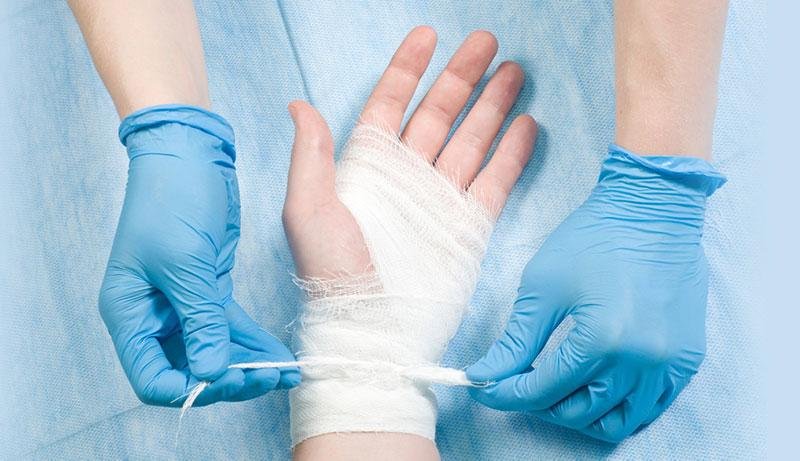
Preparing your home properly before a professional wound-care visit can make the dressing process smoother, more comfortable, and hygienic. Wound Dressing at Home in Dubai offers a convenient option for patients who need regular wound care after surgery, injury, or while managing chronic wounds. With professional nursing support and a Doctor at Home service when medical assessment is required, patients can receive appropriate care without unnecessary travel. A clean, organized environment allows the nurse to work efficiently while helping protect the wound from avoidable contamination. A few simple preparations before the visit can make a meaningful difference to the overall home-care experience.
Why Home Preparation Matters:
Professional wound dressing requires an environment where clean supplies can be organized and used materials can be kept separate. Preparing the home does not mean sterilizing the entire room; instead, the goal is to create a clean, uncluttered, well-lit area where the patient can remain comfortable during the procedure. Good preparation also reduces interruptions and allows the nurse to focus on wound assessment and dressing care. Patients and caregivers should follow any specific preparation instructions provided by their healthcare provider or home nursing service.
Choose a Suitable Dressing Area:
Select a room or area that is clean, well-lit, and large enough for the patient and nurse to move comfortably. A stable table or other suitable surface can be used for organizing supplies, provided it can be cleaned before the procedure. The patient should have enough space to sit or lie down in the position required for safe access to the wound. Avoid areas with excessive dust, clutter, food preparation, or frequent household traffic.
An appropriate dressing area should be:
- Clean and uncluttered
- Well lit
- Comfortable for the patient
- Large enough for safe movement
- Away from food preparation
- Away from pets during the procedure
- Suitable for organizing clean supplies
Clean the Work Surface:
Before the nurse arrives, clean the surface that will be used for dressing supplies. The area should be free from dust, food, personal items, and unnecessary objects. Allow appropriate cleaning products to dry according to their instructions before placing supplies on the surface. The purpose is not to create a sterile home environment but to provide a clean area that minimizes unnecessary contamination during the procedure.
Keep Pets Away During Wound Care:
Pets are an important part of many households, but they should be kept away from the dressing area during wound care. Pet hair, movement, and contact with supplies can interfere with maintaining a clean environment. Keeping pets in another room during the procedure can also help the patient and nurse work without interruptions. After the dressing change is completed and supplies are safely stored or discarded, normal household routines can resume according to the patient's care instructions.
Prepare a Comfortable Patient Position:
Comfort and positioning are important, particularly when dressing a wound on the leg, foot, back, abdomen, or another difficult-to-reach area. The patient should wear comfortable clothing that allows the nurse appropriate access to the wound without unnecessary movement. Pillows or other suitable supports may be used when appropriate to help the patient maintain a stable position. Patients with mobility limitations should inform the nurse about any difficulty moving or maintaining a particular position before the procedure begins.
Gather Recommended Wound-Care Supplies:
If the home nursing service has asked the patient or family to provide specific supplies, they should be gathered before the visit. Keeping everything together can save time and prevent unnecessary interruptions. Patients should not purchase or substitute wound-care products without professional guidance, especially when a specific dressing has been prescribed or recommended.
Supplies may include:
- Recommended wound dressing
- Sterile gauze when instructed
- Appropriate cleaning solution
- Medical gloves when advised
- Medical tape or fixation materials
- Disposable waste bags
- Skin-protection products when recommended
- Any specialized supplies included in the care plan
Check the Condition of Dressing Supplies:
Before the appointment, check that required supplies are available and properly packaged. Materials that appear damaged, contaminated, wet, or improperly stored should not be used. Expired products should also be avoided when applicable. Specialized dressings may have particular storage requirements, so patients should follow the manufacturer's instructions and advice from their healthcare professional. Keeping supplies organized in a dedicated location can make future dressing visits easier.
Keep Clean and Used Materials Separate:
During wound dressing, clean supplies need to remain separate from used materials. Patients can help by providing adequate space for the nurse to organize supplies and dispose of used dressings appropriately. A disposable waste bag or other suitable waste container can be prepared before the procedure if recommended. Used dressings should not be placed next to clean gauze, new dressings, or other supplies.
Simple precautions include:
- Keep unopened supplies protected
- Use a clean work surface
- Keep used dressings away from clean materials
- Avoid placing supplies directly on dirty surfaces
- Dispose of used materials appropriately
- Wash hands after handling used materials
Practice Good Hand Hygiene:
Hand hygiene is an essential part of wound-care preparation. Patients and caregivers should wash their hands thoroughly before handling clean supplies or assisting with the procedure. The nurse will follow appropriate hand-hygiene practices as part of professional care. Patients should also avoid touching the wound unnecessarily before the nurse arrives. Good hand hygiene reduces avoidable contamination and supports safer dressing care.
Keep the Room Well Lit:
Adequate lighting helps the nurse inspect the wound and surrounding skin more easily. Natural light can be useful during daytime visits, while a suitable lamp may be needed in darker rooms. Poor lighting can make it more difficult to observe changes in wound appearance, drainage, or surrounding skin. The patient should also be positioned so that the wound can be accessed safely without forcing the nurse or patient into an uncomfortable posture.
Wear Suitable Clothing:
Patients should wear loose, comfortable clothing that allows easy access to the wound. For example, a patient receiving foot or lower-leg wound care may benefit from clothing that can be moved without putting pressure on the affected area. Patients recovering from abdominal or postoperative wounds should follow their healthcare team's advice about clothing and movement. Avoid clothing that repeatedly rubs against the wound or makes dressing removal unnecessarily difficult.
Prepare Information About the Wound:
Before a professional visit, patients or caregivers can make a brief note of important changes since the previous dressing. This may include increased pain, drainage, swelling, odor, redness, or problems with the dressing. Providing this information can help the nurse understand how the wound has changed between visits. Patients should also mention whether the dressing became wet, loose, saturated, or contaminated.
Useful information may include:
- Changes in pain
- Changes in drainage
- New redness or swelling
- Unusual odor
- Dressing problems
- Fever or chills
- Changes in mobility
- Any new injury near the wound
Keep Medication and Medical Information Available:
If the patient's wound care is part of a broader treatment plan, it can be helpful to keep relevant medical information accessible. This may include the current medication list, recent healthcare instructions, and details about the procedure or injury when appropriate. Patients should not change medications independently because of wound concerns. Instead, relevant changes or questions should be communicated to the appropriate healthcare professional.
Maintain a Calm and Private Environment:
A calm environment can make wound dressing more comfortable, particularly for patients who experience anxiety around wound care. Limit unnecessary interruptions during the visit and provide reasonable privacy. Family caregivers may remain nearby when appropriate, especially if they assist with daily care. However, unnecessary people moving around the dressing area can create distractions and make maintaining an organized environment more difficult.
Prepare for Safe Waste Disposal:
Professional nurses will generally follow appropriate procedures for handling used dressing materials, but patients can help by having a suitable waste container available when requested. Used dressings should be handled according to the instructions provided by the healthcare professional and local waste-disposal requirements. Patients should not leave contaminated materials on household surfaces or mix them unnecessarily with clean supplies.
Avoid Cleaning the Wound Before the Nurse Arrives Unless Instructed:
Patients may assume that they should clean the wound immediately before a professional dressing visit. However, this is not always necessary and may interfere with the nurse's assessment. Unless the healthcare professional has specifically instructed the patient to clean the wound beforehand, it is generally better to follow the established care plan and allow the nurse to perform the required procedure. Patients should also avoid applying creams, antiseptics, oils, powders, or other products before the visit unless recommended.
What to Avoid Before Professional Wound Dressing:
Good preparation also means avoiding activities that could unnecessarily irritate or contaminate the wound. Patients should not experiment with new dressing products immediately before a scheduled visit or remove an established dressing unless instructed. If the dressing has become wet, saturated, or significantly displaced, patients should follow the care instructions provided by their healthcare team rather than waiting without guidance.
Avoid:
- Applying unapproved products
- Scrubbing the wound before the visit
- Removing the dressing unnecessarily
- Touching the wound repeatedly
- Placing clean supplies on dirty surfaces
- Allowing pets into the dressing area
- Using damaged or contaminated supplies
- Changing the treatment plan independently
How Family Caregivers Can Help:
Family caregivers can make professional wound dressing more efficient by preparing the room, organizing requested supplies, assisting with patient positioning, and recording relevant wound changes. They can also learn from the nurse about dressing protection, hygiene, and signs that require professional attention. Caregivers should follow the patient's established care plan rather than independently changing dressing types or applying medications. Clear communication between the patient, caregiver, nurse, and healthcare team can support more consistent wound management.
Benefits of Professional Wound Dressing at Home:
Professional home nursing can provide convenient support for patients who require regular dressing changes but find clinic visits difficult. A qualified nurse can assess the wound, perform dressing changes according to the care plan, monitor healing, and provide practical education. Home care may be particularly helpful for postoperative patients, elderly individuals, people with limited mobility, and those managing chronic wounds. Preparing the home appropriately can help make these visits more organized and comfortable.
Benefits may include:
- Convenient wound care at home
- Professional dressing changes
- Regular wound monitoring
- Support with hygiene
- Patient and caregiver education
- Reduced travel requirements
- Comfortable familiar surroundings
- Consistent care according to the treatment plan
When to Contact a Healthcare Professional:
Preparing for a routine dressing visit should not delay medical attention when a wound changes significantly. Patients should communicate concerning symptoms such as increasing redness, swelling, warmth, worsening pain, unusual drainage, foul odor, persistent bleeding, wound separation, fever, or sudden deterioration. A home nurse can identify changes during a visit and communicate concerns appropriately, but severe or rapidly worsening symptoms may require prompt medical assessment.
Frequently Asked Questions About Preparing for Home Wound Dressing:
What room is best for wound dressing? Choose a clean, well-lit, uncluttered area with enough space for the patient and nurse to work comfortably.
Should I clean the wound before the nurse arrives? Only if this is part of your healthcare professional's instructions. Otherwise, allow the nurse to follow the established wound-care plan.
Do I need to buy my own dressing supplies? This depends on the home nursing service and care plan. Use only recommended products and avoid substitutions without professional advice.
Should pets be kept away? Yes. Keeping pets away from the dressing area can help maintain a cleaner, less interrupted environment.
Can a family member stay during the dressing change? Yes, when appropriate. A caregiver can also learn useful wound-care practices from the nurse.
Final Thoughts:
Preparing your home for professional wound dressing does not require complicated measures. A clean, well-lit, uncluttered area, organized supplies, good hand hygiene, suitable patient positioning, and clear communication about wound changes can make each visit more efficient and comfortable. Wound Dressing at Home in Dubai provides suitable patients with a convenient way to receive professional wound care without unnecessary travel. By following the instructions of the healthcare team, avoiding unapproved products, and preparing the home environment properly, patients and caregivers can support a safer and more consistent wound-care routine.

 English
 Arabic
 Spanish
 Portuguese
 Deutsch
 Turkish
 Dutch
Dutch
 Italiano
 Russian
 Romaian
 Portuguese (Brazil)
 Greek
Greek