


Post-Surgical Care at Home: Managing Recovery After Major Procedures
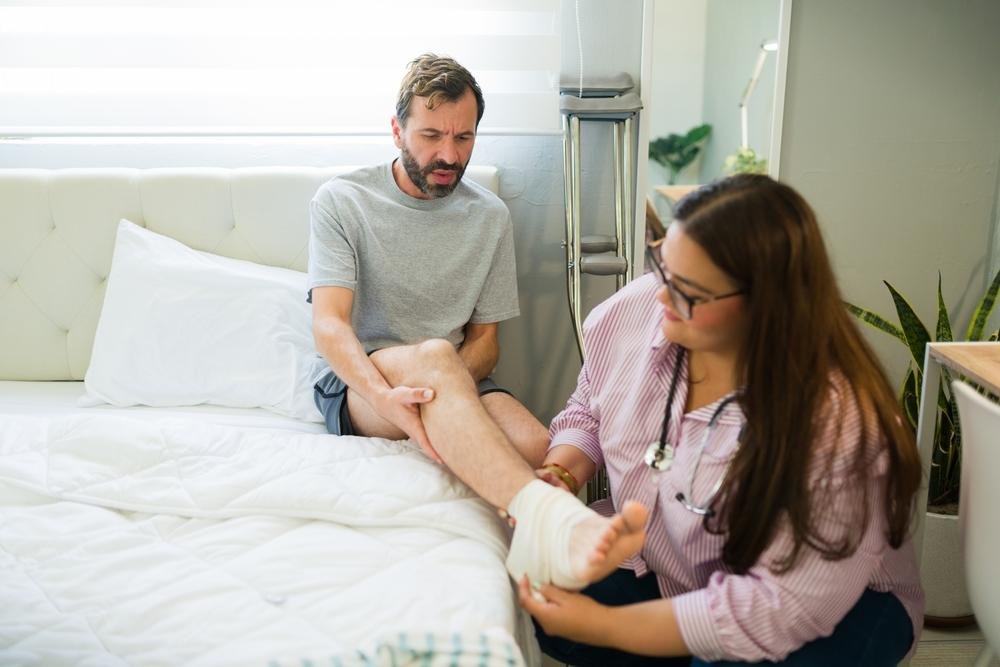
Recovering after a major surgical procedure requires patience, careful monitoring, and consistent support. Post-Surgical Care at Home in Dubai can provide patients with a structured environment where they can continue healing while receiving assistance with daily activities, medication routines, mobility, nutrition, and follow-up care. Professional medical support, including a Doctor at Home when clinically appropriate, can help address postoperative concerns while caregivers assist with practical needs. Moving from a hospital to home can be an important transition, and having a well-organized recovery plan can help patients manage the challenges that often accompany major procedures.
Understanding Recovery After Major Surgery:
Major surgery can place significant physical demands on the body, and recovery may take weeks or longer depending on the procedure and the patient's overall condition. Patients may experience pain, fatigue, reduced mobility, appetite changes, sleep disruption, and temporary limitations in daily activities. The recovery process should always follow the surgeon's or healthcare team's instructions because different procedures have different restrictions. Some patients may require assistance with walking or personal care, while others may mainly need support with medication, meals, and transportation. Understanding that recovery is gradual can help patients set realistic expectations and avoid returning to demanding activities too quickly.
Preparing the Home Before Discharge:
Preparing the home before a patient returns from the hospital can make the transition smoother and safer. The living environment should be arranged around the patient's temporary mobility and care requirements. Frequently used items should be accessible without excessive bending, reaching, or climbing. Walking pathways should remain clear, and appropriate lighting should be available throughout the home. Families may also need to arrange a suitable resting area, recommended mobility aids, and assistance with meals or household tasks. A prepared environment can reduce unnecessary physical strain and allow patients to focus more effectively on recovery.
Following the Postoperative Care Plan:
A clear postoperative care plan provides guidance about medications, wound care, physical activity, diet, appointments, and other recovery requirements. Patients and families should carefully follow the instructions provided by the surgical team and ask questions when anything is unclear. Important components may include:
- Medication schedules and precautions
- Wound-care instructions
- Mobility and activity restrictions
- Dietary recommendations
- Follow-up appointments
- Prescribed rehabilitation exercises
- Rest and sleep requirements
Following these instructions consistently can help patients avoid unnecessary setbacks and understand what is expected during each stage of recovery.
Managing Post-Surgical Pain:
Pain is common after major surgery, although its intensity and duration vary among patients. Effective pain management can make it easier to rest, move safely, eat appropriately, and participate in prescribed rehabilitation. Patients should take pain medication exactly as instructed and should not change doses independently. Caregivers can provide reminders and assist with approved comfort measures such as positioning. If pain becomes severe, suddenly changes, or continues to worsen despite following the prescribed plan, the healthcare team should be contacted for appropriate evaluation.
Caring for the Surgical Wound:
Proper wound care is an important part of recovery following many major procedures. Patients should follow specific instructions regarding dressing changes, cleaning, bathing, and protecting the surgical site. Caregivers may assist with appropriate wound-care tasks when they have been instructed to do so and when the task falls within their role. Patients should watch for changes that may require professional assessment, including increasing redness, swelling, unusual drainage, significant bleeding, wound separation, or worsening pain. Unapproved creams, powders, or home remedies should not be applied to a surgical wound without professional advice.
Supporting Safe Mobility:
Mobility may be limited after major surgery because of pain, weakness, fatigue, or specific surgical restrictions. Patients should follow their healthcare team's instructions regarding walking, weight-bearing, lifting, bending, and stairs. Gradual movement may be encouraged when medically appropriate, while excessive activity should be avoided. Caregivers can assist with transfers and approved walking activities while ensuring that the patient uses recommended mobility aids correctly. If physiotherapy is prescribed, exercises should be performed according to the qualified therapist's instructions rather than through unsupervised routines.
Maintaining Nutrition and Hydration:
Nutrition and hydration can support the body's recovery process, but dietary requirements differ among patients. Some individuals may temporarily experience reduced appetite, nausea, or difficulty preparing meals. Families and caregivers can assist by providing appropriate meals and keeping permitted fluids accessible. Depending on the surgery and medical history, patients may have specific dietary requirements. Individuals with conditions affecting blood sugar, kidney function, swallowing, or digestion should follow their healthcare provider's recommendations. Persistent vomiting, inability to maintain hydration, or significantly reduced food intake should be reported to an appropriate healthcare professional.
Managing Medication Safely:
Medication routines can become complicated when patients take several prescriptions after surgery. A written medication list or approved digital reminder system can help organize the schedule. Family members or caregivers may provide reminders according to the prescribed instructions. Patients should avoid taking additional medications, supplements, or over-the-counter products without checking whether they are appropriate. Any suspected side effects or unexpected reactions should be communicated to the healthcare team. Organized medication management can make the recovery routine easier to follow and reduce confusion.
Preventing Falls and Home Injuries:
Major surgery can temporarily affect balance, strength, and coordination. Some medications may also cause dizziness or drowsiness. These factors can increase the risk of falls, particularly when patients attempt to move without assistance. Families can reduce hazards by:
- Removing loose rugs and clutter
- Keeping floors dry
- Improving lighting
- Clearing electrical cords from walking areas
- Keeping essential objects within reach
- Using recommended bathroom safety equipment
- Providing assistance during transfers when necessary
Fall prevention should remain a priority until the patient has regained sufficient strength and stability.
Balancing Activity With Rest:
Recovery requires a balance between appropriate physical activity and adequate rest. Patients may feel tired even after simple tasks during the early stages of recovery. Rest periods should be included throughout the day according to the patient's needs and professional recommendations. At the same time, prolonged inactivity should not be assumed to be beneficial when movement has been medically encouraged. A gradual routine can allow patients to increase activity as their strength improves without placing unnecessary strain on the recovering body.
Supporting Emotional Wellbeing:
Major surgery can affect emotional health as well as physical wellbeing. Patients may experience frustration, anxiety, fear, loneliness, or concerns about their ability to return to normal activities. Family members and caregivers can provide reassurance, companionship, and encouragement without placing pressure on the patient. Giving patients appropriate choices about their daily routine can help them maintain a sense of control. Persistent anxiety, significant changes in mood, confusion, or other concerning emotional symptoms should be discussed with a qualified healthcare professional.
Monitoring Recovery Progress:
Regular monitoring can help patients and caregivers recognize changes during recovery. Relevant observations may include pain levels, wound condition, mobility, appetite, hydration, sleep, medication tolerance, and ability to perform daily activities. Keeping a simple record can make it easier to discuss concerns during follow-up appointments. Monitoring does not replace professional assessment, and patients should not attempt to diagnose complications themselves. Any unexpected or concerning change should be communicated to the appropriate healthcare provider according to the postoperative instructions.
Keeping Follow-Up Appointments:
Follow-up appointments are an essential part of recovery after major procedures. Healthcare professionals can evaluate healing, review medications, assess mobility, examine wounds, and determine whether restrictions can be adjusted. Patients should attend scheduled appointments even when they feel that recovery is progressing normally. Family members can assist with transportation, appointment scheduling, and preparing questions. Keeping track of symptoms and changes at home can provide useful information during consultations and help the healthcare team make informed decisions about the next stage of recovery.
Supporting Rehabilitation:
Rehabilitation may be necessary after certain major procedures to restore strength, flexibility, balance, or functional abilities. Physiotherapy and other rehabilitation services should be individualized according to the patient's condition and surgical restrictions. Caregivers can help patients remember prescribed exercises and create a suitable environment for completing them safely. Rehabilitation should progress gradually, and patients should not add exercises or increase intensity without professional guidance. Consistent participation in an approved rehabilitation program can help patients work toward improved mobility and independence.
Coordinating Family and Professional Support:
Some patients require more assistance than their families can provide alone. Professional caregivers can support appropriate daily activities such as personal care, mobility, meal preparation, hydration, and medication reminders according to their training and the established care plan. Family members can remain involved through companionship, communication, transportation, and emotional support. Clearly dividing responsibilities can reduce confusion and caregiver stress. A coordinated approach can help ensure that important recovery tasks are not overlooked while allowing family members to maintain a sustainable level of involvement.
Encouraging Gradual Independence:
The ultimate goal of home recovery is often to help patients regain their independence safely. Assistance may be extensive immediately after discharge but can gradually decrease as strength and confidence improve. Patients can participate in suitable activities such as grooming, dressing, preparing simple meals, or walking short distances when these activities are medically permitted. Family members should avoid doing everything for the patient when they are capable of safely completing a task themselves. Gradual independence can support confidence while preparing patients to return to their normal routines.
Recognizing Warning Signs:
Patients and families should understand which symptoms require prompt medical attention. Warning signs vary according to the procedure and individual health status, so specific instructions from the healthcare team should always take priority. Potential concerns may include persistent fever, worsening pain, significant wound changes, unusual drainage, severe weakness, persistent vomiting, or sudden changes in mobility. Serious symptoms such as severe breathing difficulty, severe chest pain, loss of consciousness, or uncontrolled bleeding require urgent medical evaluation rather than continued home monitoring.
Adjusting the Care Plan Over Time:
Recovery is not always linear, and patients may have changing needs throughout the healing period. A patient may initially need extensive assistance but become more independent as mobility and strength improve. Conversely, an unexpected setback may require additional professional assessment or changes to the care routine. Regular communication with healthcare professionals allows the recovery plan to be adjusted appropriately. Flexible care helps ensure that patients receive enough support without unnecessarily limiting their independence.
Creating a Comfortable Recovery Routine:
Comfort can contribute to a more positive recovery experience. Patients should have a suitable place to rest, access to essential belongings, and a daily routine that balances activity, nutrition, medication, and sleep. Families can reduce unnecessary household demands and provide companionship without overwhelming the patient. A calm and organized environment can help patients focus on healing while gradually returning to everyday activities. Comfort should always be combined with appropriate medical monitoring and adherence to postoperative instructions.
Final Thoughts:
Recovering from a major procedure requires careful planning, patience, and appropriate support. Post-Surgical Care at Home in Dubai can provide patients with a structured environment where they can manage medications, wound care, mobility, nutrition, rehabilitation, and daily activities with suitable assistance. Family members and professional caregivers can help patients follow their healthcare team's instructions while encouraging gradual independence. Regular monitoring and timely communication with healthcare professionals are also important when unexpected symptoms occur. Every surgical recovery is different, so patients should follow individualized medical advice rather than relying on general recovery timelines. With proper preparation, consistent support, and professional guidance, patients can work toward a safer and more comfortable recovery at home.

 Arabic
 French
 Spanish
 Portuguese
 Deutsch
 Turkish
 Dutch
Dutch
 Italiano
 Russian
 Romaian
 Portuguese (Brazil)
 Greek
Greek