


Common Causes of Back Pain and How to Manage Them at Home
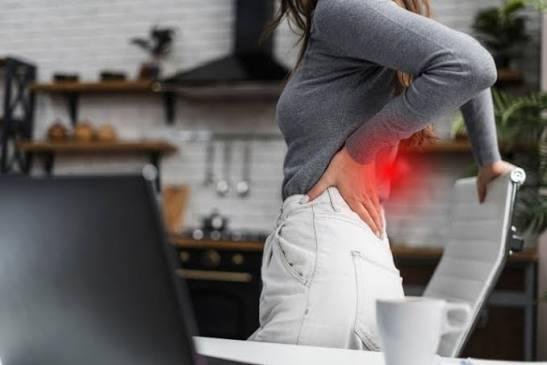
Back pain is one of the most common health concerns affecting people of all ages, often interfering with work, daily activities, and overall well-being. It can develop suddenly after an injury or gradually due to poor lifestyle habits, making early management essential for preventing long-term discomfort. Managing Back Pain at Home in Dubai has become a practical option for individuals seeking convenient ways to reduce pain while maintaining their daily routine. With support from a Doctor at Home, patients can receive professional medical guidance and personalized recommendations that help manage symptoms safely in the comfort of their own homes.
Poor Posture:
Poor posture is one of the leading causes of back pain, especially among people who spend long hours sitting at desks or using electronic devices. Slouching places unnecessary pressure on the spine, muscles, and ligaments, leading to stiffness and discomfort over time. Maintaining a neutral spine, sitting with proper lumbar support, and keeping the shoulders relaxed can significantly reduce strain and improve long-term spinal health.
Muscle Strain and Overuse:
Lifting heavy objects incorrectly, sudden twisting movements, and repetitive physical activities can strain the muscles and ligaments supporting the back. Minor strains often improve with rest, gentle stretching, and gradual return to activity. Allowing the muscles adequate time to recover while avoiding activities that worsen pain helps promote safe healing and reduces the risk of recurring injuries.
Prolonged Sitting:
Remaining seated for extended periods reduces circulation and increases pressure on the lower back, contributing to muscle stiffness and discomfort. Taking regular movement breaks, adjusting your workstation ergonomically, and maintaining good posture can reduce the harmful effects of prolonged sitting. Helpful habits include:
- Stand and stretch every 30 to 60 minutes.
- Walk briefly around your workspace.
- Perform gentle shoulder rolls.
- Stretch the hamstrings regularly.
- Keep both feet flat on the floor.
- Avoid crossing your legs for long periods.
Weak Core Muscles:
The core muscles provide essential support for the spine during everyday movements. Weak abdominal and lower back muscles increase the workload placed on the spine, making injuries and chronic discomfort more likely. Strengthening these muscles through safe exercises such as pelvic tilts, bridges, and modified planks improves stability and helps protect the back during routine activities.
Herniated or Bulging Discs:
Spinal discs act as cushions between the vertebrae, absorbing shock during movement. A herniated or bulging disc occurs when the soft inner material pushes outward, sometimes compressing nearby nerves and causing pain, numbness, or weakness. While mild cases may respond to conservative home care, persistent symptoms require medical evaluation to determine the most appropriate treatment plan.
Age-Related Changes:
As people age, natural wear and tear can affect the spine, leading to conditions such as arthritis, reduced disc height, and decreased flexibility. These changes may contribute to chronic back pain and stiffness. Maintaining an active lifestyle, practicing regular stretching, and following healthy movement habits help support spinal function and reduce discomfort associated with aging.
Stress and Muscle Tension:
Emotional stress frequently contributes to muscle tightness, particularly around the neck, shoulders, and lower back. Persistent muscle tension may worsen existing pain and limit flexibility. Managing stress through healthy relaxation techniques can improve both mental and physical well-being. Effective methods include:
- Deep breathing exercises.
- Meditation or mindfulness.
- Gentle stretching sessions.
- Listening to calming music.
- Maintaining a regular sleep schedule.
- Spending time on enjoyable hobbies.
Poor Sleeping Habits:
Sleeping on an unsupportive mattress or using incorrect sleeping positions can place continuous pressure on the spine throughout the night. Choosing a medium-firm mattress, using supportive pillows, and maintaining proper spinal alignment while sleeping help reduce morning stiffness and improve overall back comfort. Side sleepers often benefit from placing a pillow between their knees, while back sleepers may prefer a pillow beneath their knees.
Healthy Lifestyle Habits for Back Pain Management:
Daily lifestyle choices play a major role in preventing and managing back pain. Consistent healthy habits strengthen the muscles supporting the spine while reducing the risk of recurring discomfort. Beneficial lifestyle practices include:
- Maintain a healthy body weight.
- Stay physically active each day.
- Perform regular stretching exercises.
- Lift heavy objects safely.
- Stay hydrated to support muscle function.
- Follow an ergonomic workspace setup.
Know When Professional Medical Care Is Needed:
Although many cases of back pain improve with home management, certain symptoms require prompt medical attention. Persistent pain lasting several weeks, numbness, weakness, pain radiating into the legs, or changes in bladder or bowel function should never be ignored. Early medical evaluation helps identify the underlying cause and ensures timely treatment. For many individuals, Managing Back Pain at Home in Dubai provides access to professional assessments and personalized treatment plans without the inconvenience of traveling to a healthcare facility.
Final Thoughts:
Back pain can result from a wide range of factors, including poor posture, muscle strain, prolonged sitting, weak core muscles, age-related changes, and stress. Understanding these common causes allows individuals to take proactive steps toward protecting their spinal health through regular exercise, proper posture, healthy daily habits, and appropriate home care strategies. While many cases respond well to conservative management, persistent or severe symptoms should always be evaluated by a healthcare professional. Combining consistent self-care with expert medical guidance provides the best foundation for long-term pain relief, improved mobility, and a healthier, more active lifestyle.
 Deutsch
 English
 Arabic
 French
 Spanish
 Portuguese
 Turkish
 Dutch
Dutch
 Italiano
 Russian
 Romaian
 Portuguese (Brazil)
 Greek
Greek